Since 2014, Gregory Simon and I have nurtured an on-going research collaboration that has enabled us to think and write together about the diverse ways affluence and vulnerability intersect in the context of disasters. Many have inspired and worked with us along the way, and to continue to grow this collaborative endeavour, the Geographies of Disasters group at the University of Bern has for the past month hosted Gregory as a visiting scholar. It has been a productive few weeks!
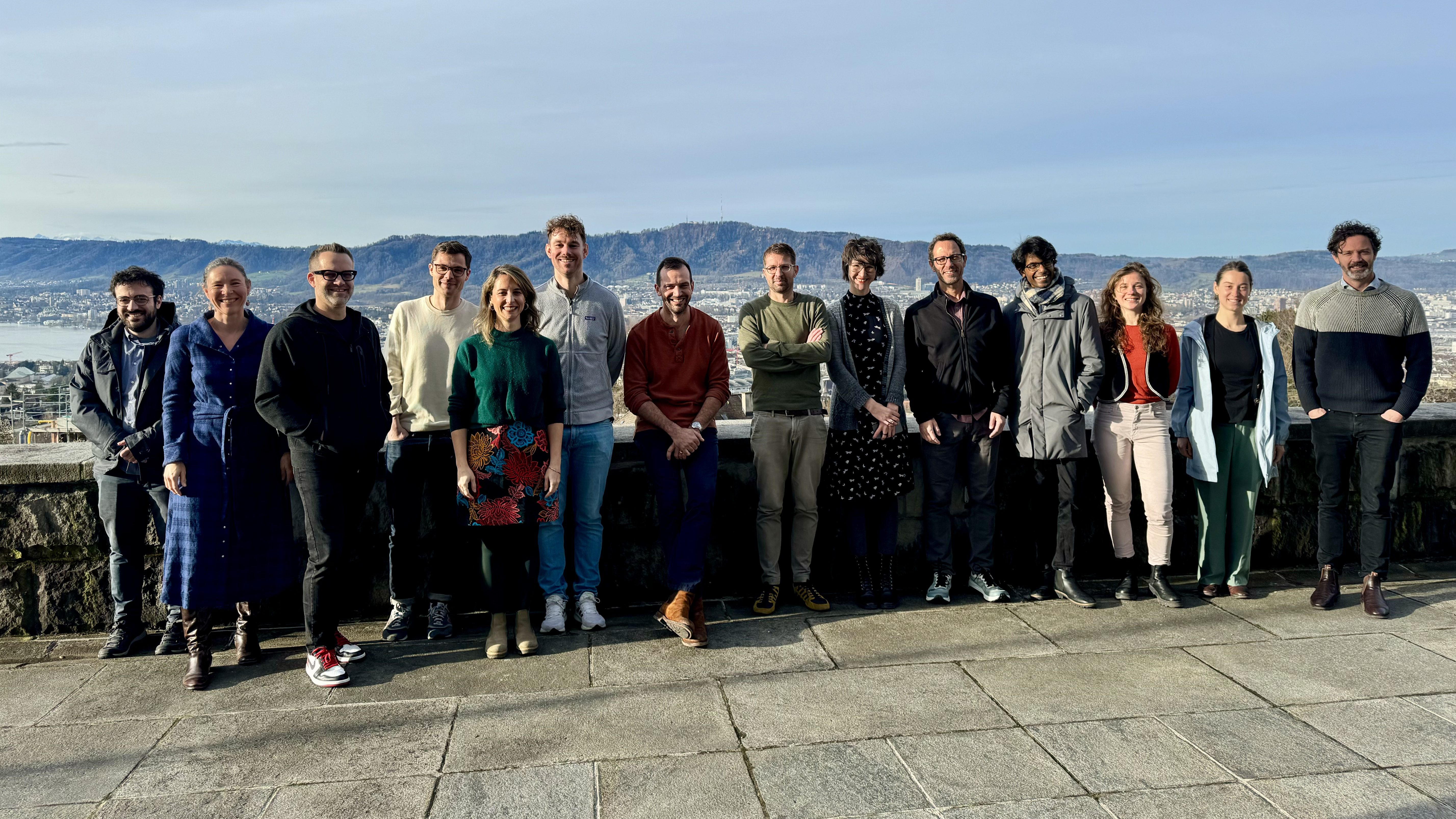
From 19-22 February 2024, Gregory and I hosted 12 participants for a workshop at the Villa Hatt in Zürich. The workshop aimed to kick-start a research network within the multi-disciplinary field of disaster studies, focusing on contrasting timescales of unfolding catastrophes and the consequent spatiotemporal horizons of disaster governance, which often leads to disaster triage instead of disaster preparedness and societal resilience. The 3.5 days were filled with interactive sessions that addressed different theoretical, methodological and empirical questions around these spatiotemporal horizons.
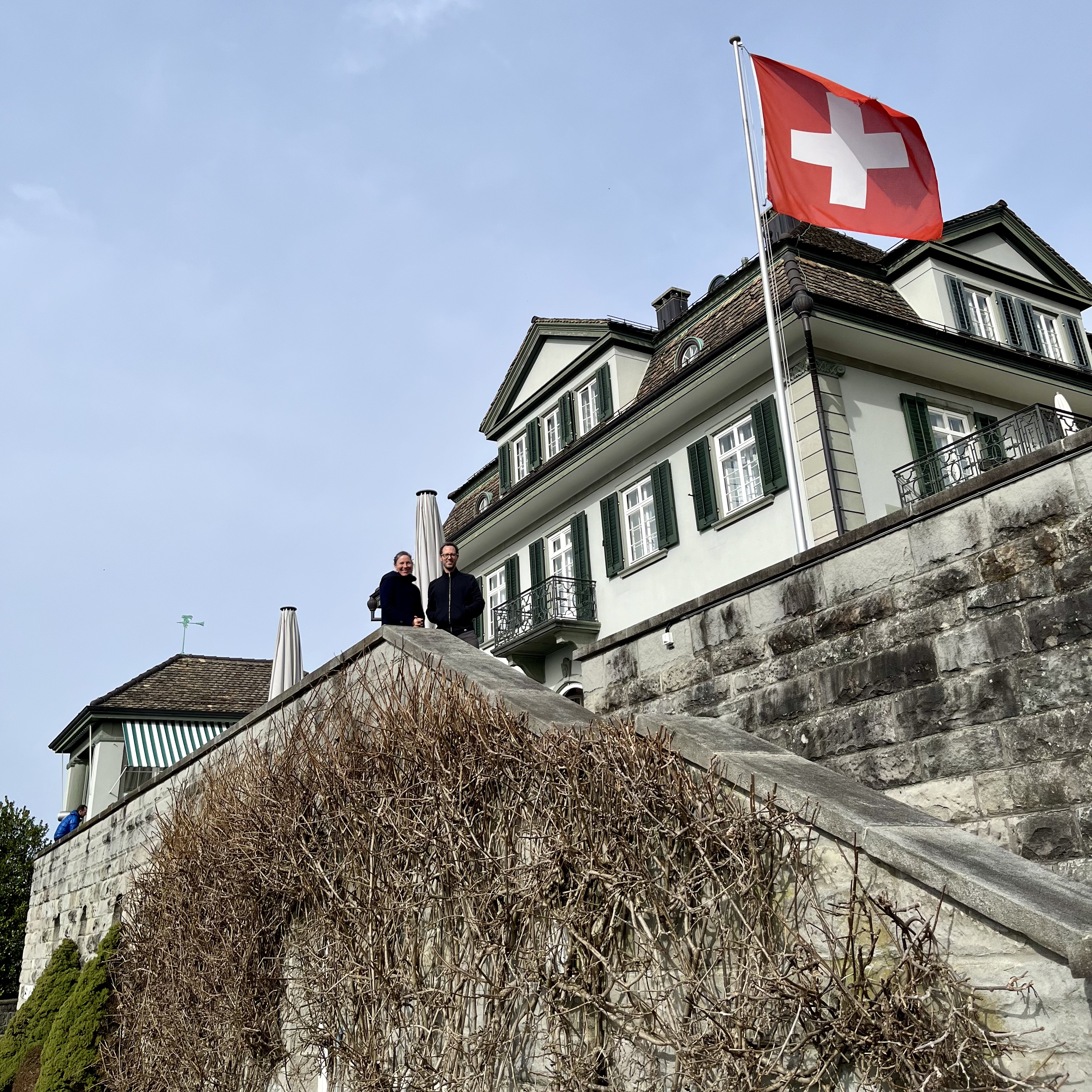
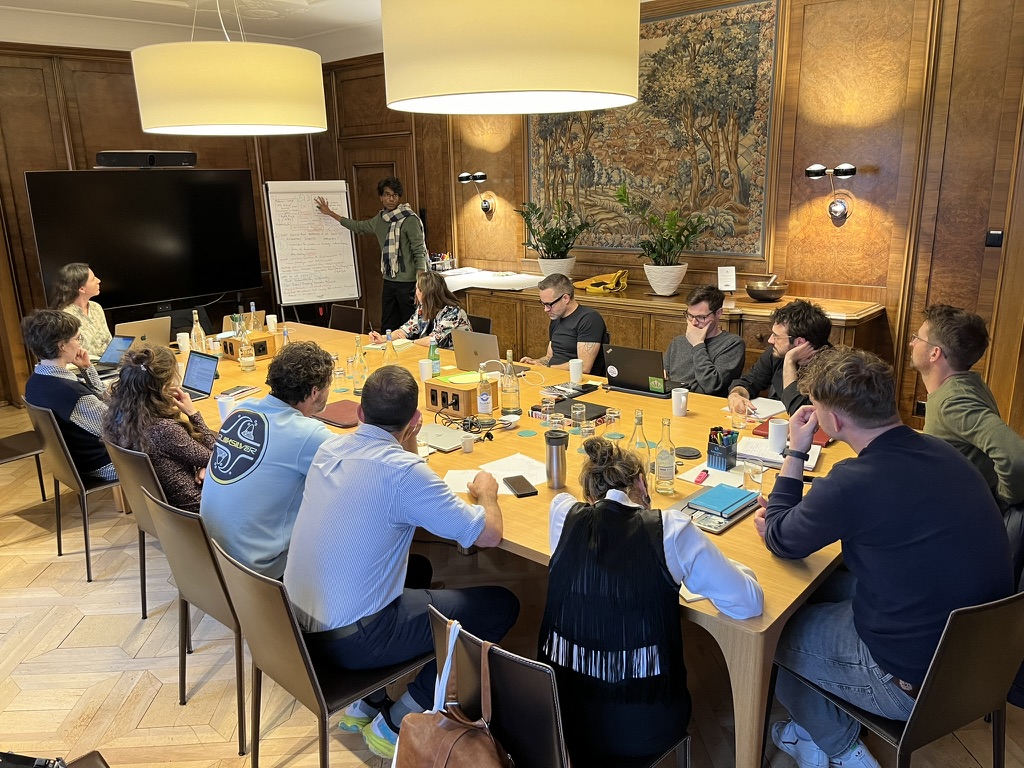
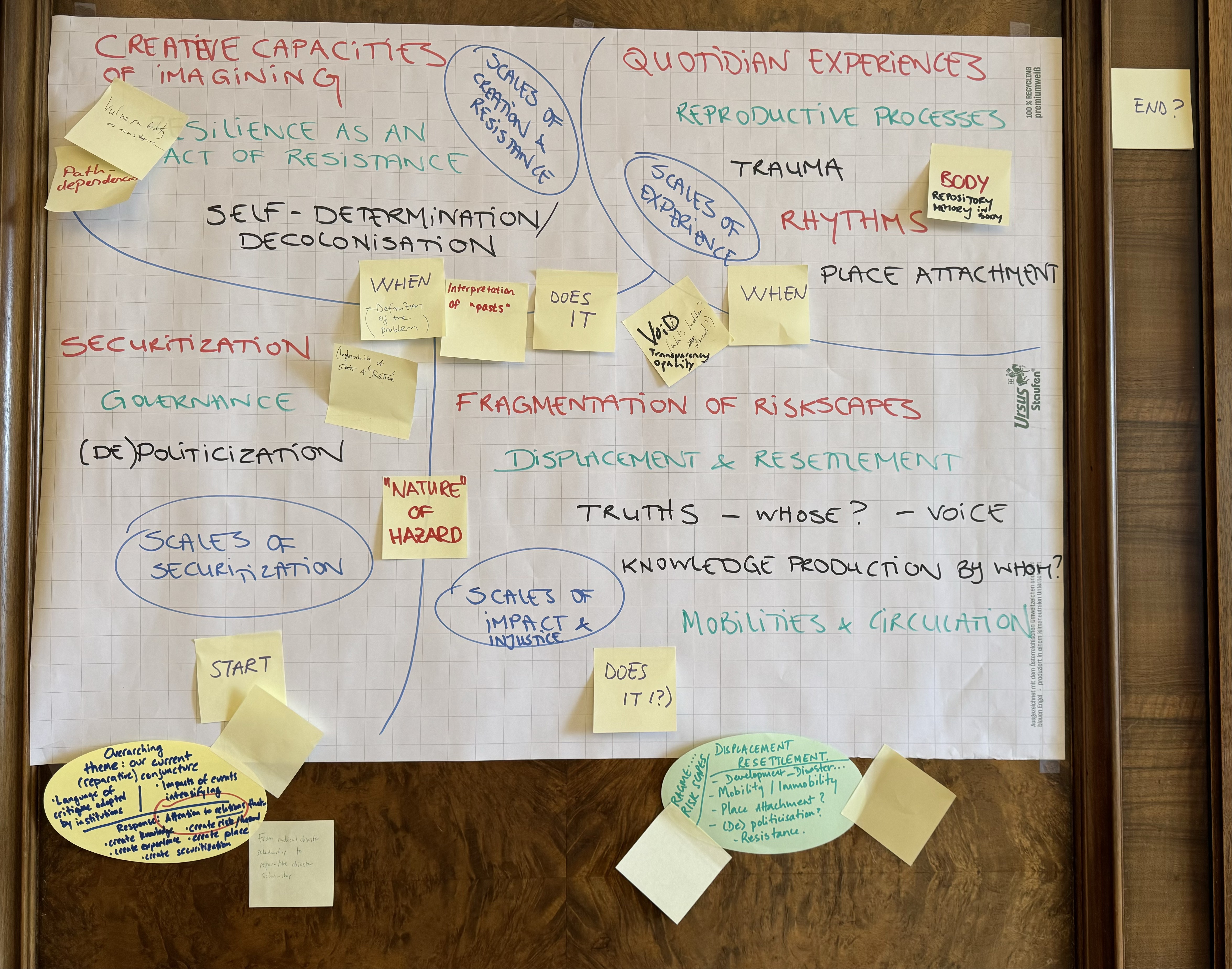
The workshop nurtured a supportive working environment that enabled networking and sharing of ideas that could be workshopped amongst peers, and provided early career researchers with opportunities to collaborate with and be mentored by the more experienced workshop participants. The workshop also facilitated dialogue between disaster practitioners and scholars that highlighted the challenges of converting research findings into practice.
The workshop opened up fruitful conversations about reparative disaster research as well as rigidity traps that inhibit reparative disaster management. These conversations (and the meticulously written notes) are now being turned into a range of outputs.
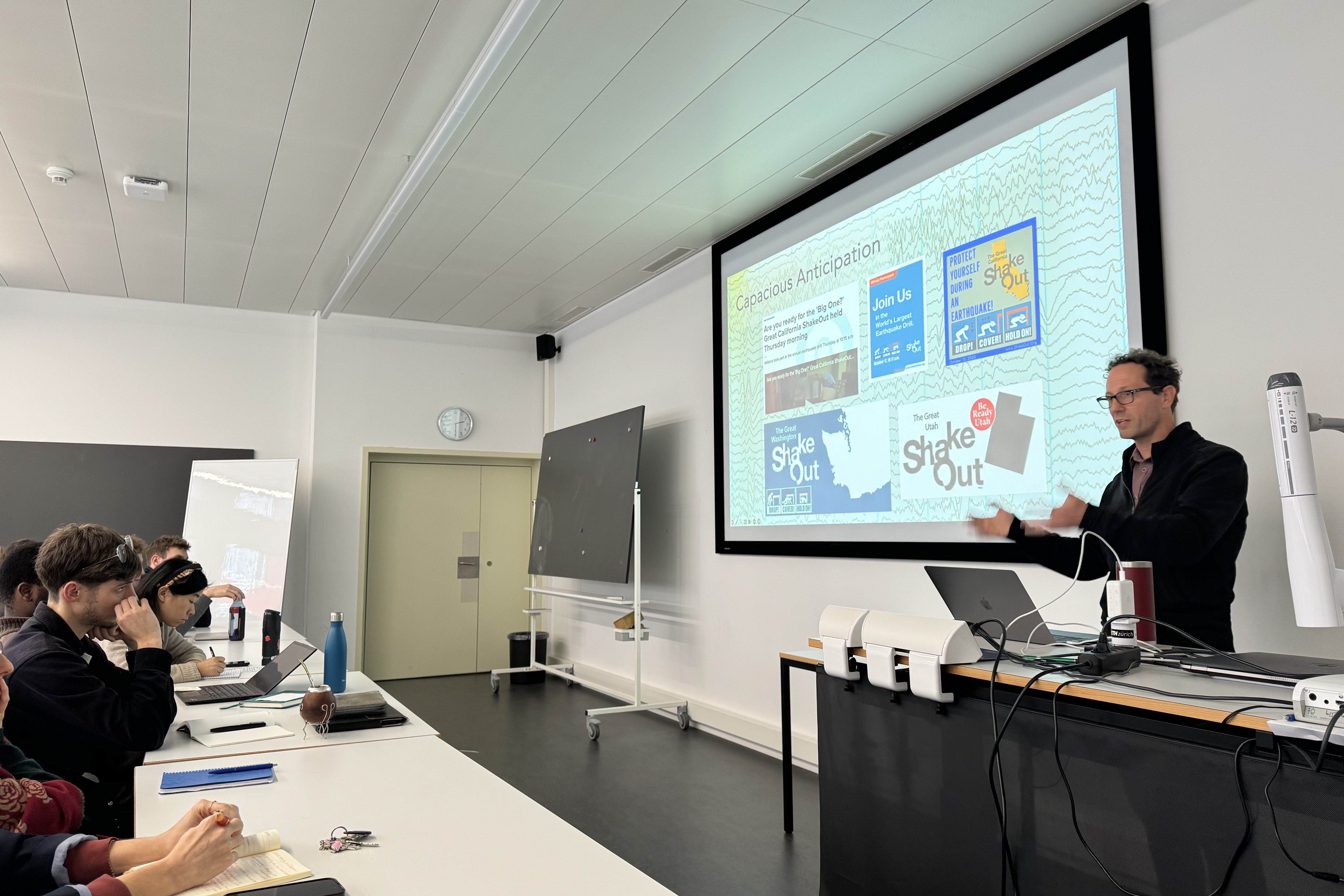
Following on from the workshop, Gregory gave a talk on 5 March 2024 as part of the Bernese Human Geography Colloquium series at the University of Bern, titled “Capacious Anticipation and Disaster Politics: How earthquakes reverberate through society before they occur”. It led to an engaging question and answer session with student and staff at the Institute of Geography, which opened up interesting angles to explore further as part of the outputs from the workshop.

We gratefully acknowledge support from the SNSF Scientific Exchanges funding scheme and the Fund for the Promotion of Young Researchers of the University of Bern.


 Dr. Christine Eriksen