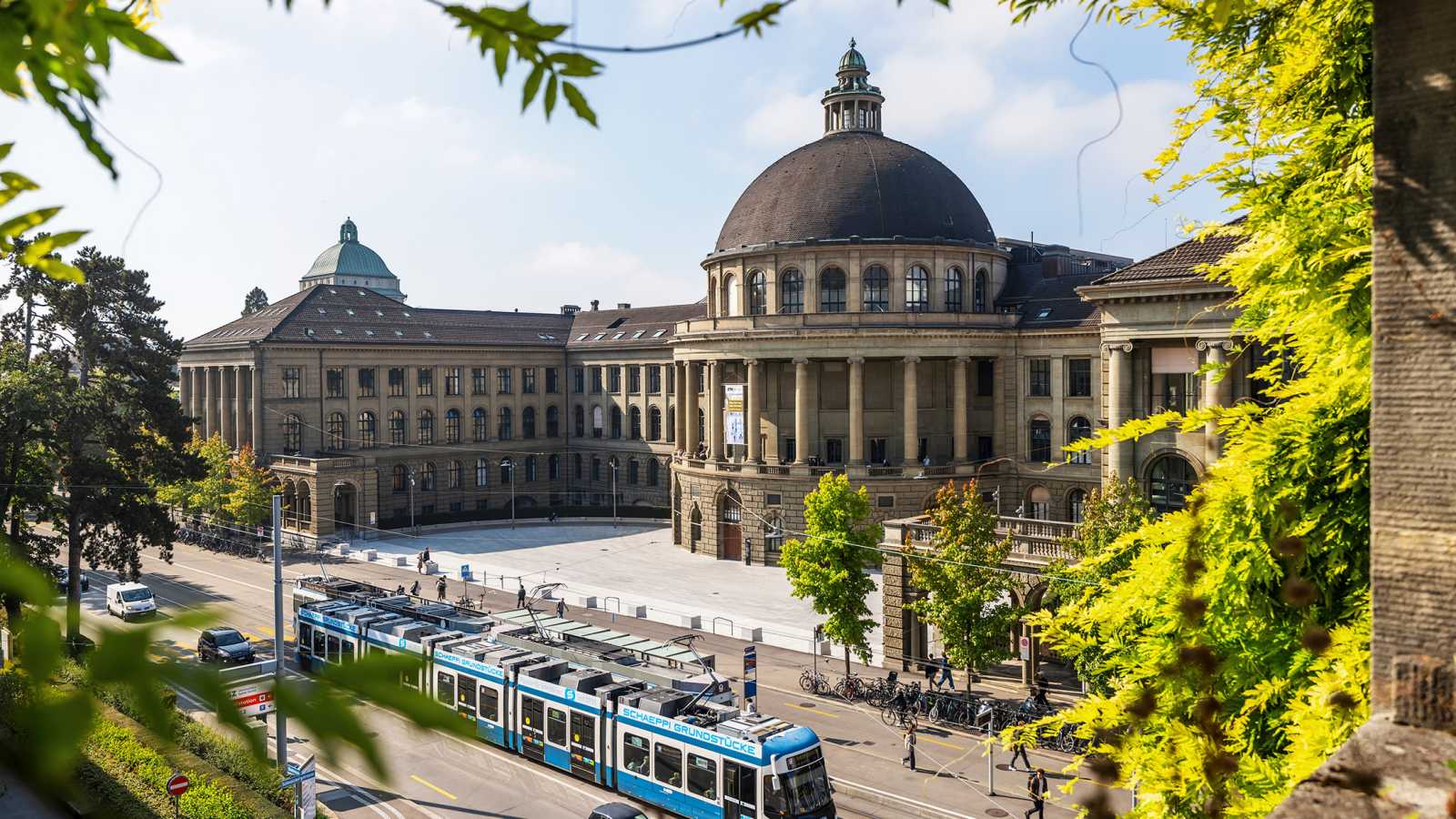
As of October 1, 2025, the FiRES project has a new institutional home at ETH Zürich. I am excited to be back in the Department of Humanities, Social and Political Sciences, which is hosting the FiRES project after its initial two years at the University of Bern. FiRES’ fieldwork and collaborations continue unabated. The team is currently conducting interviews in Catalonia and the UK, more interviews will follow in Italy and Greece, and analysis of the interviews already completed has commenced.
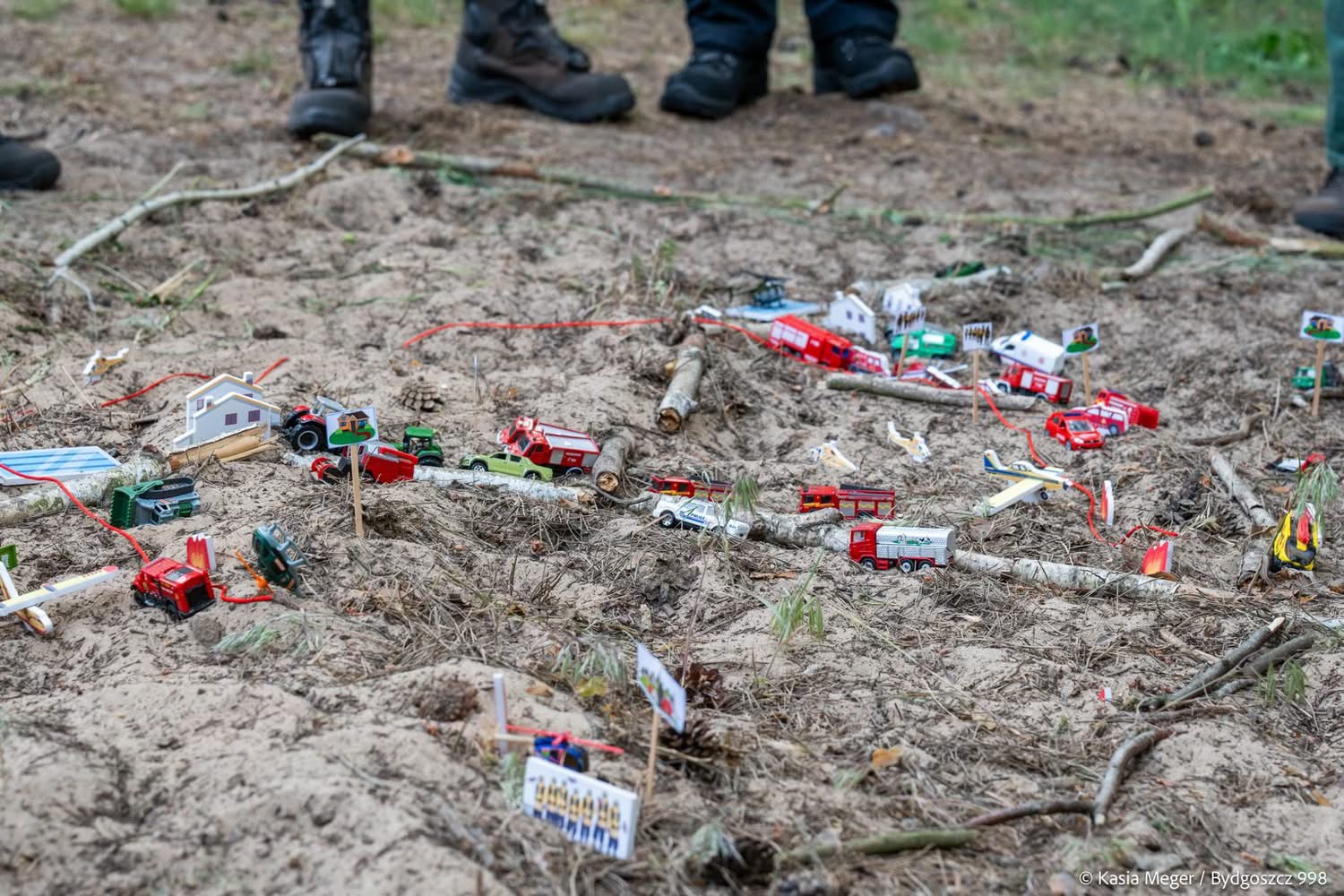
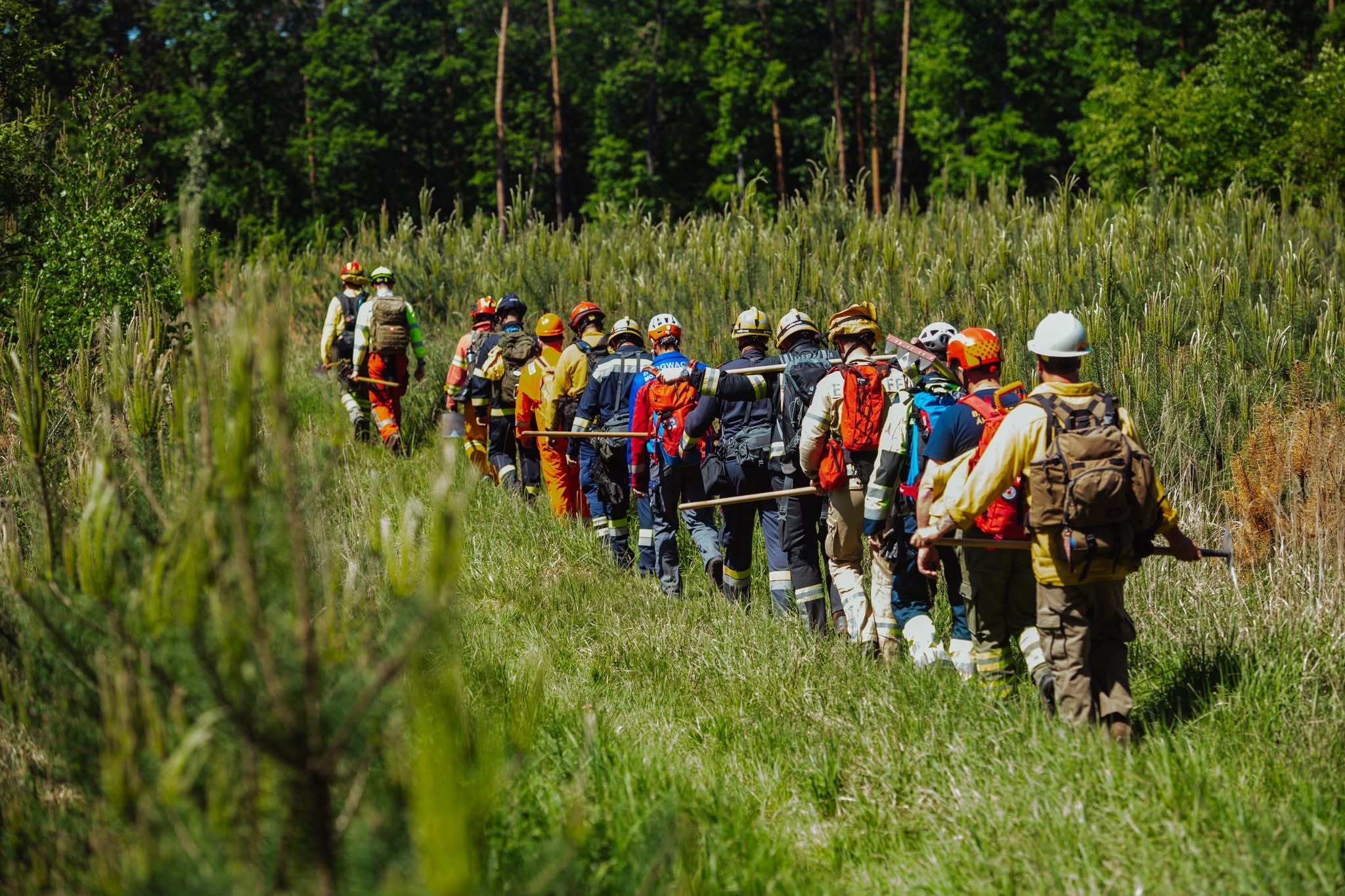
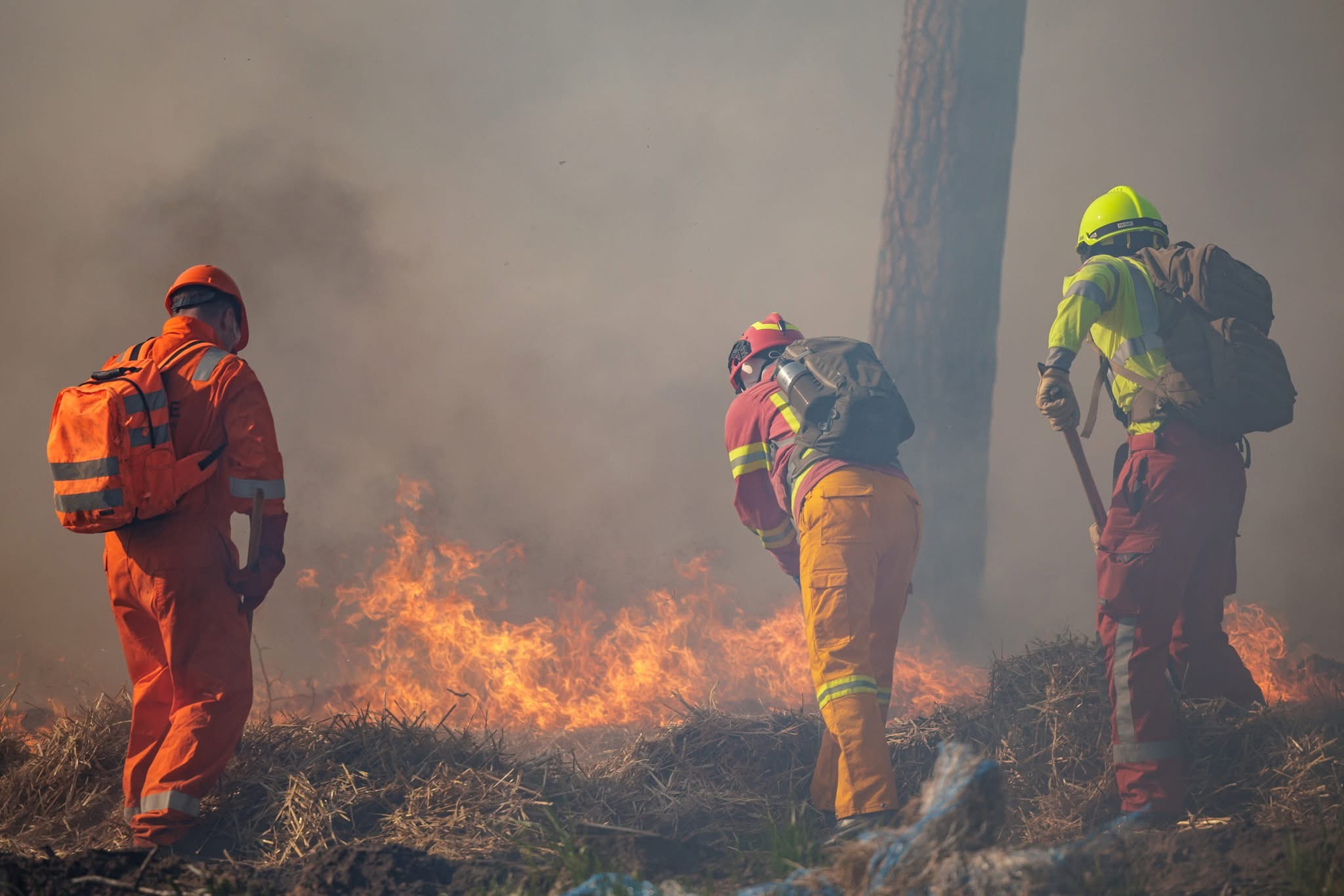
In addition to fieldwork, this summer provided opportunities to network with colleagues in various settings around Europe. In May, I attended Forest Camp in Poland together with 160 other participants from 25 countries, with a great mix of firefighters, incident managers, search and rescue operators, and fire researchers sharing experiences and learning from each other.
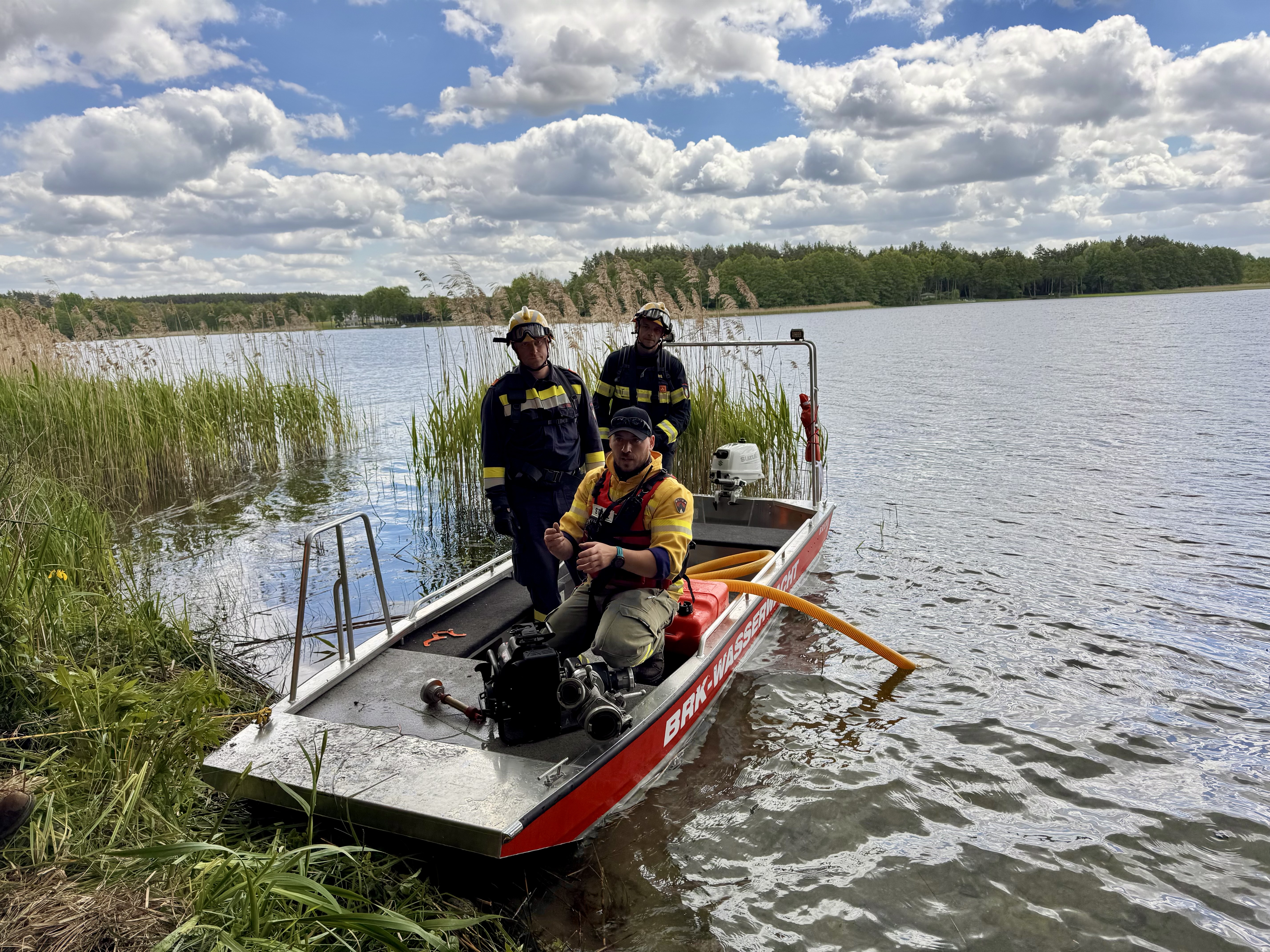
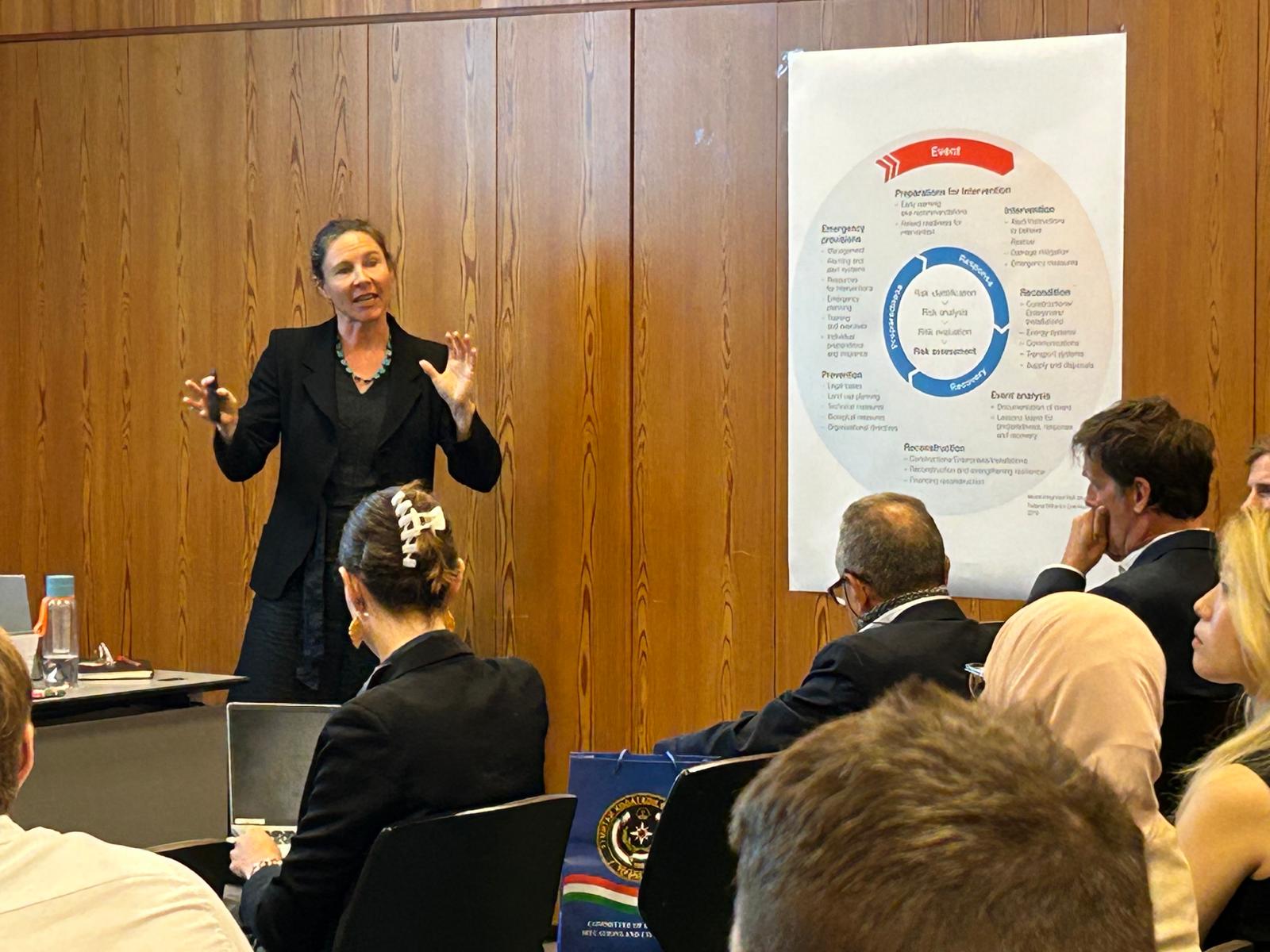
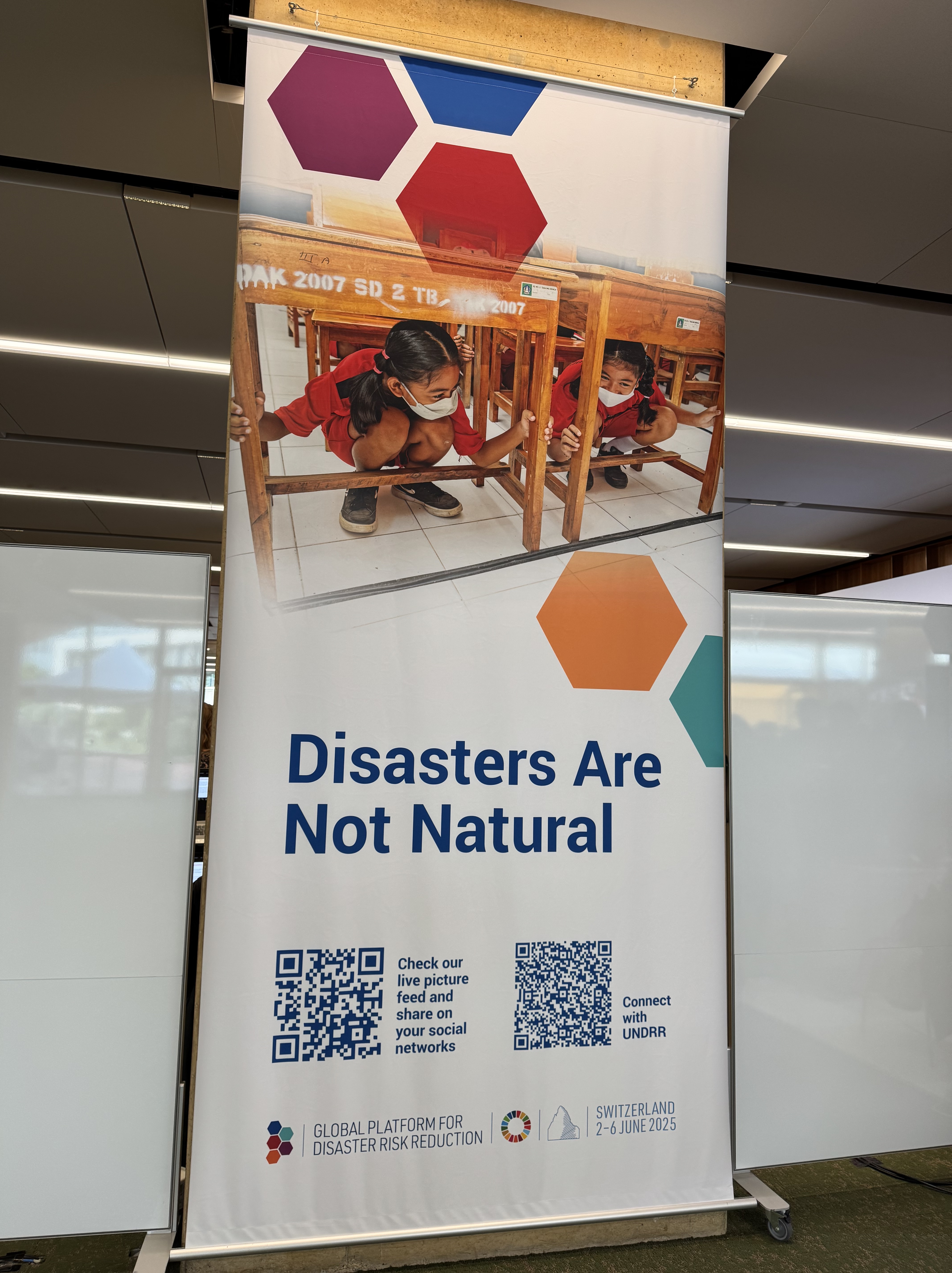
In June, I had a busy week in Geneva where I participated in the UN Global Platform for Disaster Risk Reduction. My inputs focused on adaptation to wildfires in the context of changing political and climatic conditions. I contributed to the PLANAT Learning Lab, where short presentations focused on drought and wildfire management in Switzerland was followed by an engaging conversation with the audience centered on the shared challenges we face internationally with regard to:
- How do we make measurements and DRR guidelines locally relevant?
- How long does a system have to be in place before it can be claimed that it has been validated?
- How can we learn and gain practical experience about hazards that we have had limited exposure to to-date?
There was firm agreement that continual learning pays off – in and out of times of crises.
Big events like the Global Platform 2025 are a beast to navigate as a participant. Sessions range widely from closed-door ministerial round tables, high-level plenaries, to thoughtful presentations on topical or place-specific lessons learnt. After 20 years as an academic, what I cherish most at these events, apart from putting my “finger on the pulse”, is the opportunity to reconnect and brainstorm with colleagues from near and far.
The last day, we headed out of the city on a fieldtrip to Nyon-Dôle in Canton Vaud where the cantonal fire service and BAFU shared insights about the multiple governance levels that shape forestry and wildfire preparedness in a federation. We then donned our wet-weather gear and spent the afternoon hiking through the muddy forest of the Jura mountains where foresters, farmers and firefighters generously shared their practices and insights with us.
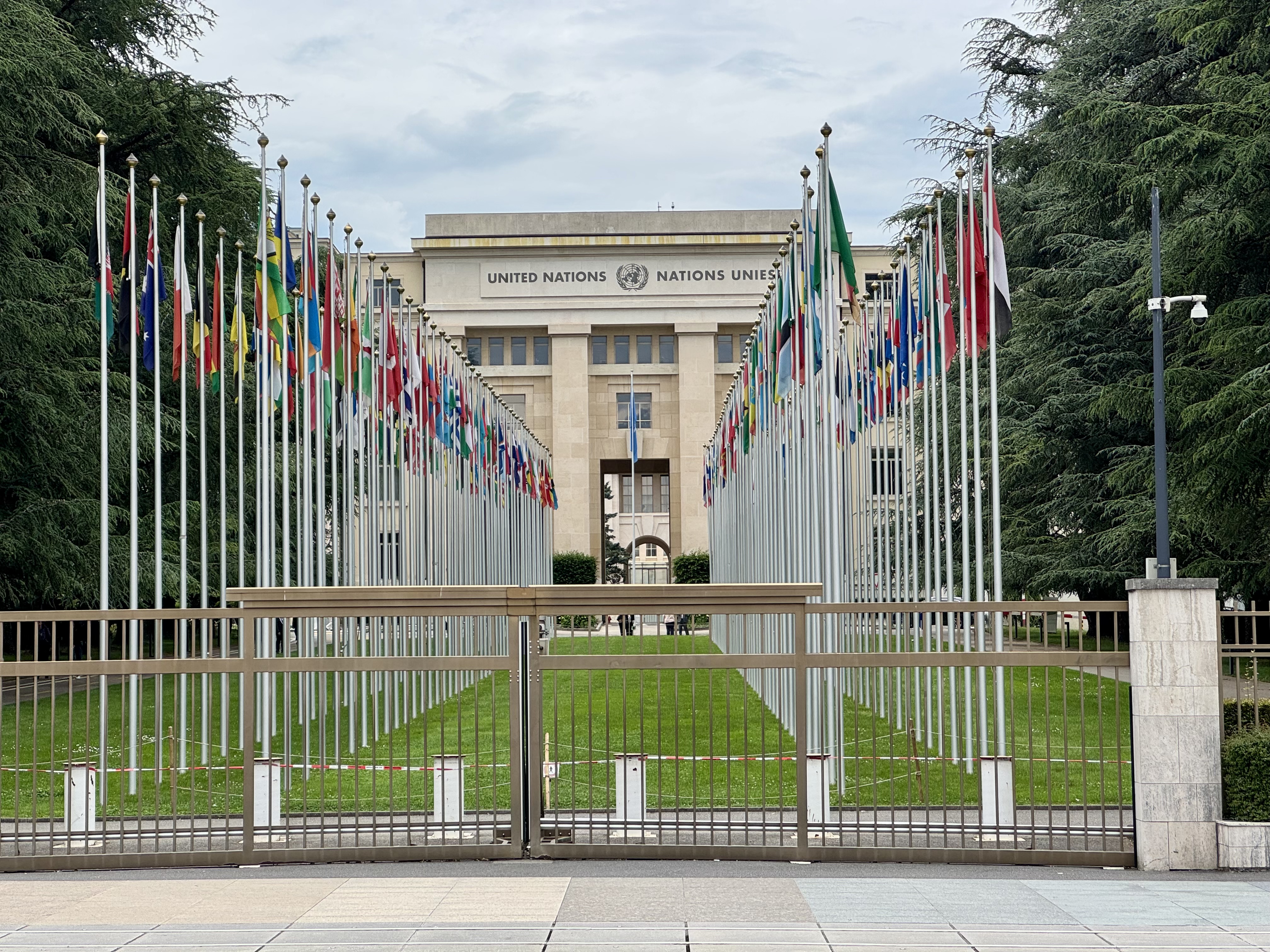
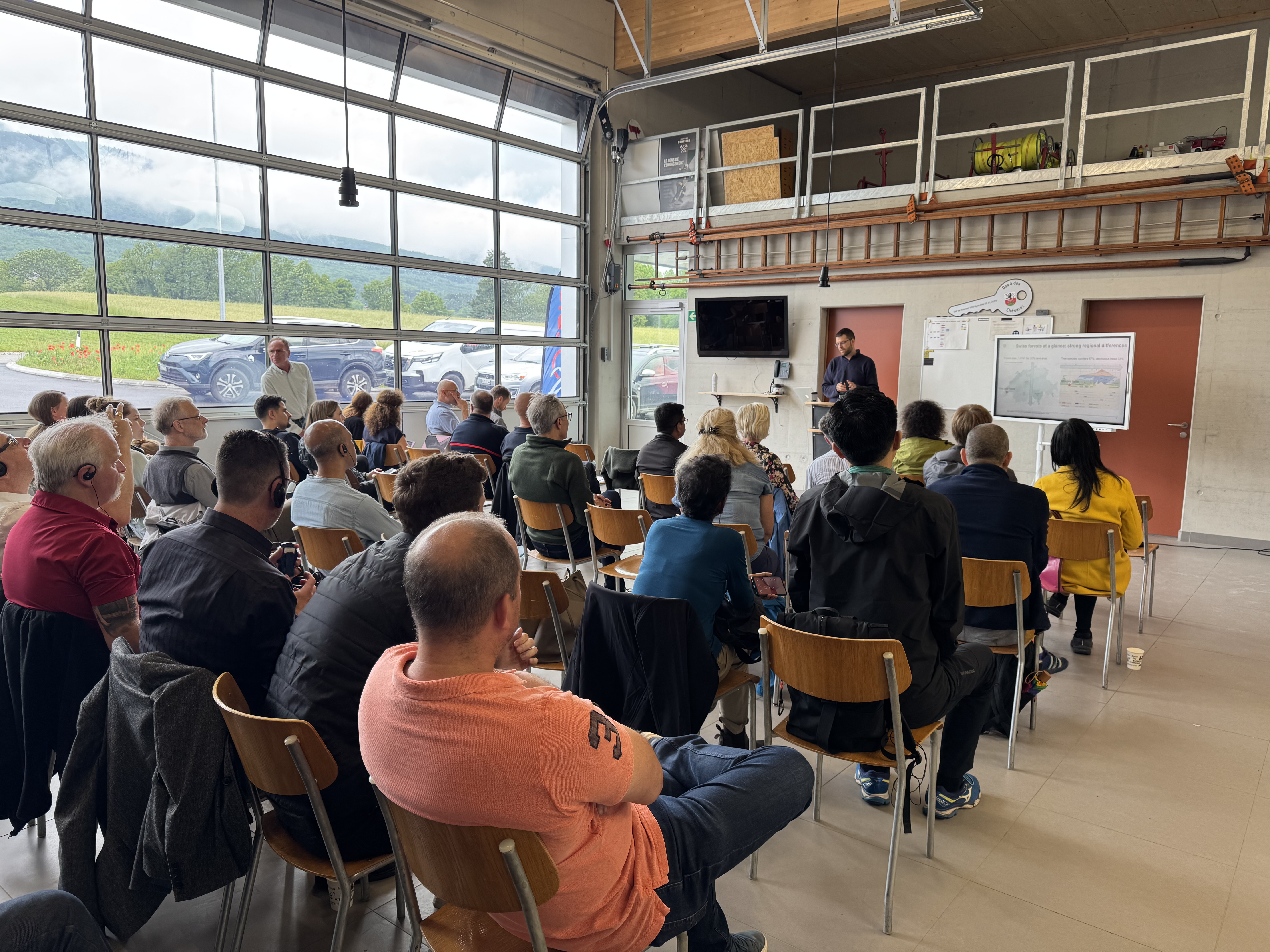
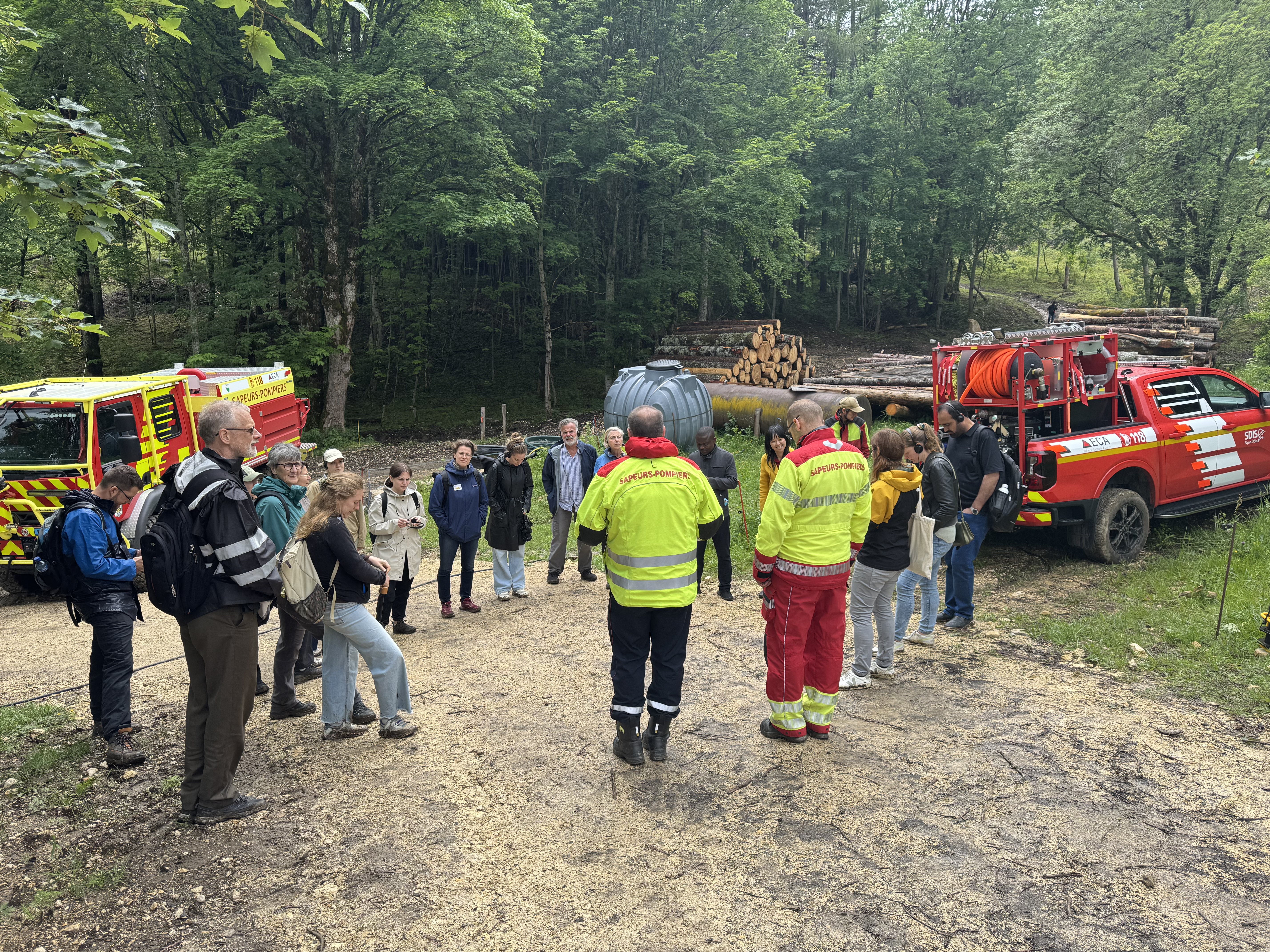
The summer was also productive publication-wise with five journal articles published and available to download free online:
- Reimer, R. & Eriksen, C. (2025) Feeling Safe Enough: Psychological safety in the mountain guiding and avalanche profession, Journal of Rural Studies, 120, 103834.
- Eriksen, C. & Simon, G. (2025) Governing Layers of Shifting Sands: Subterranean hazards, unfolding catastrophes and quotidian fragmentation. GEO: Geography and Environment, 12, e70014.
- Eriksen, C., Kirschner, J., Simon, G. L., O’Grady, N., Uyttewaal, K., Lüthi, S., Prior, T., Zeffiri, F., Emmenegger, R., Ay, D., Chmutina, K., Raju, E., & Grove, K. (2025) From Rigidity Traps towards Reparative Disaster Governance and Management. International Journal of Disaster Risk Reduction, 125, 105603.
- Eriksen, C. & Simon, G. (2025) Social Resilience Research on Climate-related Hazards: Trends, accomplishments and shortcomings, PLOS Climate, 4(4), e0000496, 2025.
- Hankins, D.L., Bisbing S.M., Cardinal Christianson, A., Clark, S., Desautel, C., Eriksen, C., Fulé, P.Z., Hessburg, P.F., Magee, C., Stephens, S.L., Stevens-Rumann, C.S., Waconda, J., & M.C. (2025) Indigenous Stewardship Rights and Opportunities to Recenter Indigenous Fire, Fire Ecology, 21(74).
If you would like to stay up-to-date with my work on a more regular basis, including other activities this summer, please follow me on LinkedIn.
 Dr. Christine Eriksen