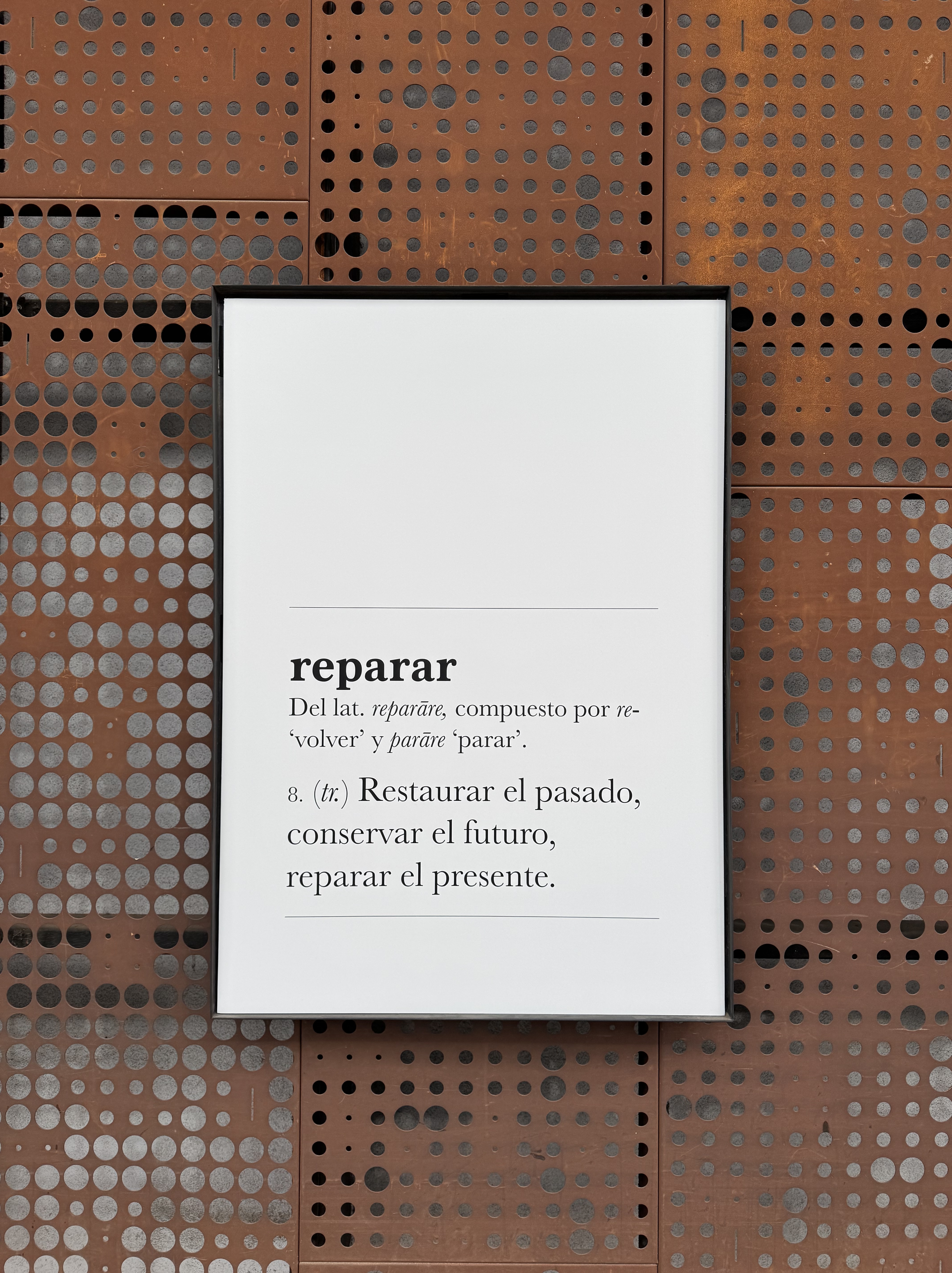
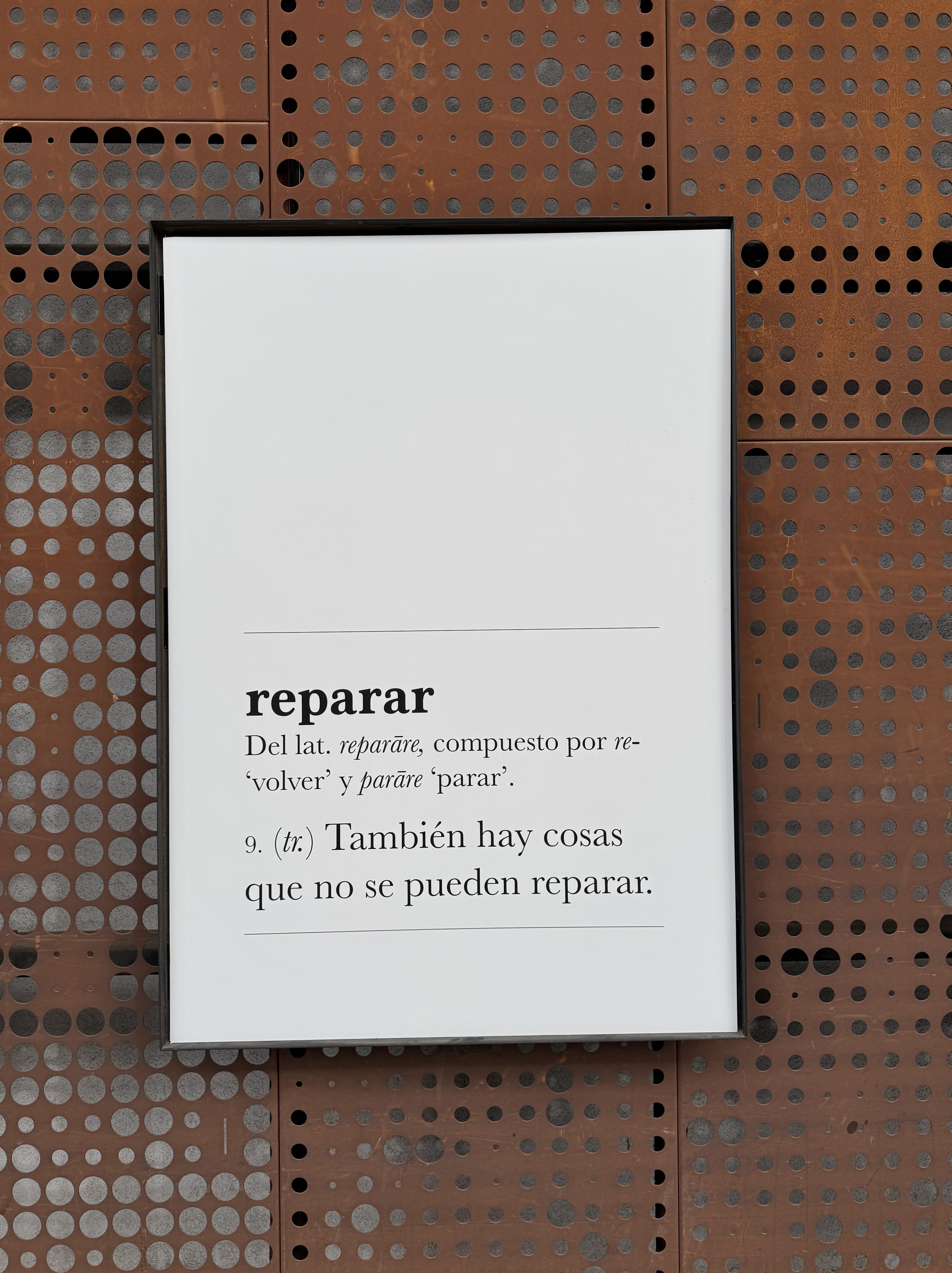
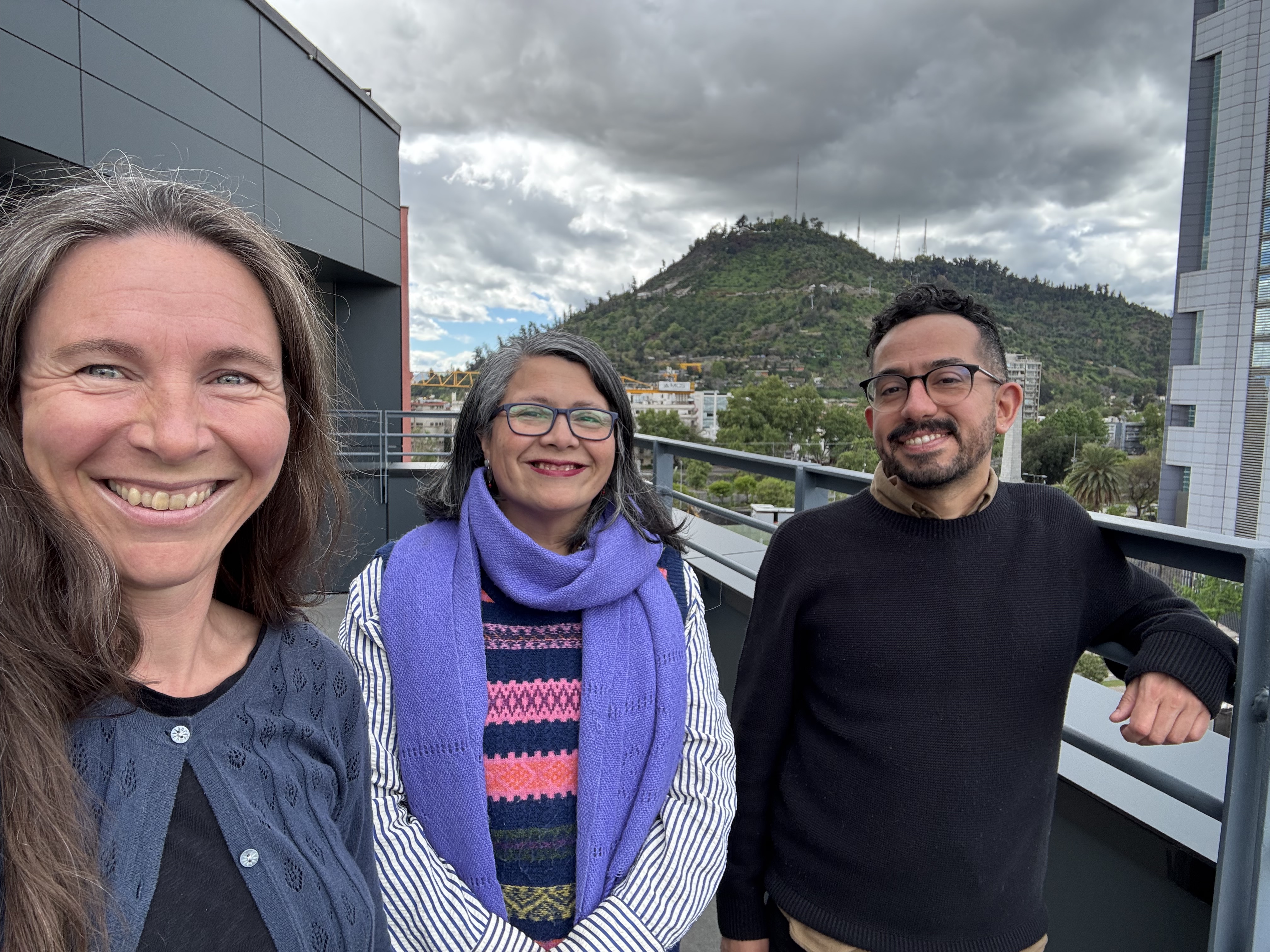
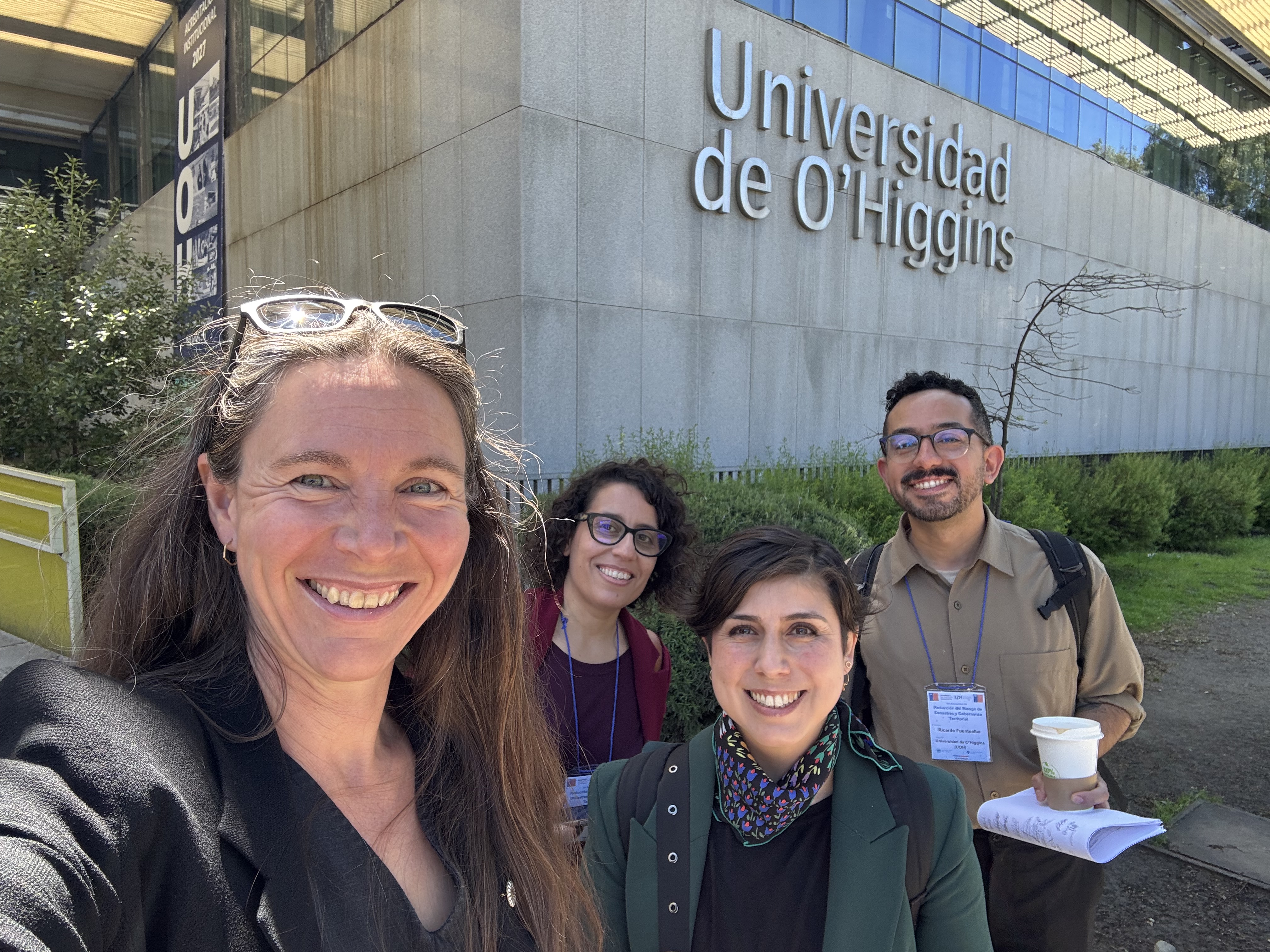
For some years now, I have mentored a talented Chilean scholar – Dr. Ricardo Fuentealba. Whenever our paths cross, the conversations and thought-exchanges are always rich. It is a collaboration I treasure. I therefore excitedly accepted Ricardo’s invitation to join him and his colleagues as a visiting scholar, as part of his project “Uneven Development and the Politics of Disaster Risk: Towards a Just Resilience in Post-Estallido Chile” funded by the Chilean National Research and Development Agency (ANID Starting Grant 11240523). Two enriching weeks in Santiago de Chile ensued (6-16 October 2026), with a jam-packed schedule that included site visits, keynotes, and workshops with Chilean disaster scholars and practitioners.
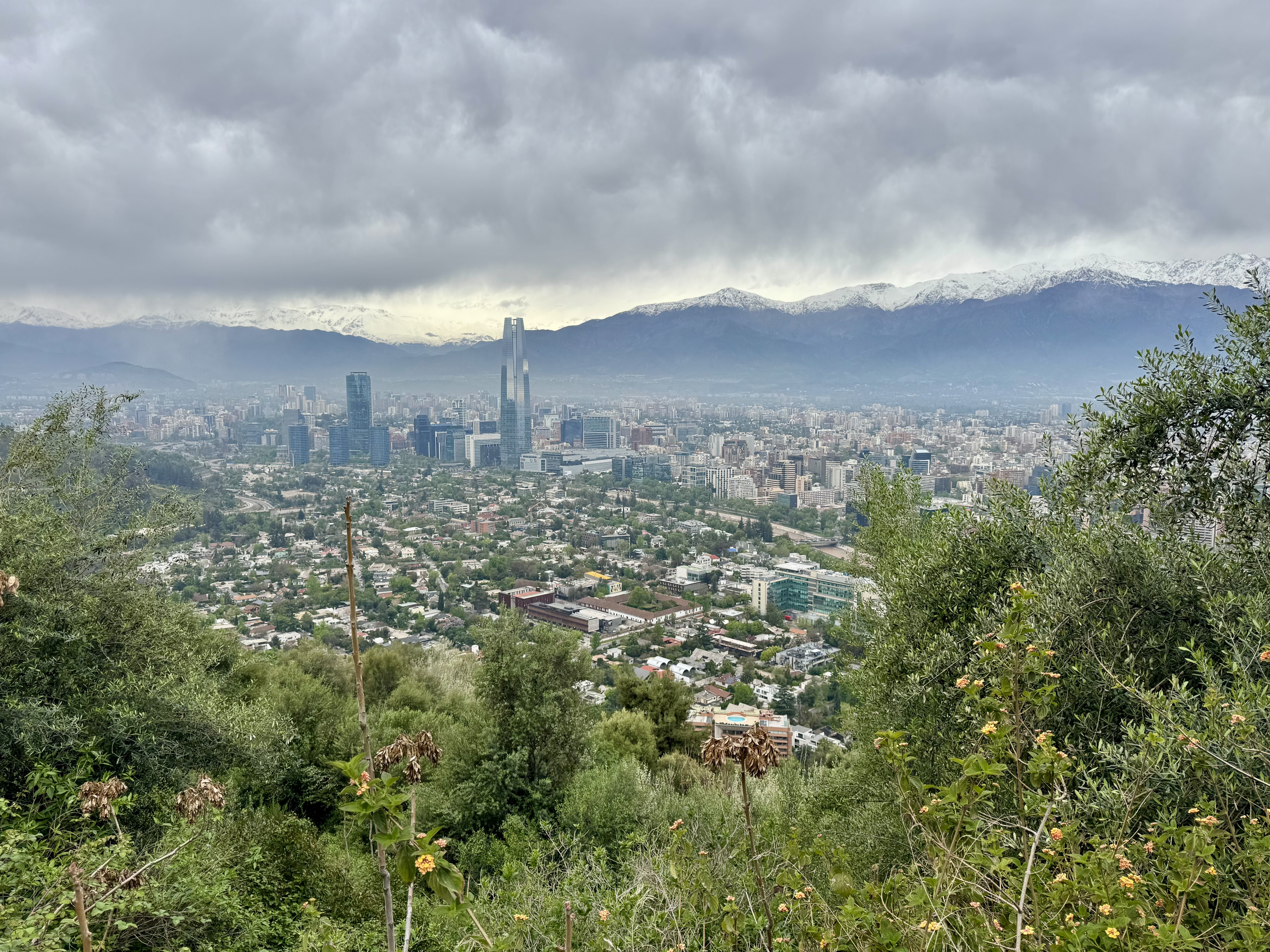
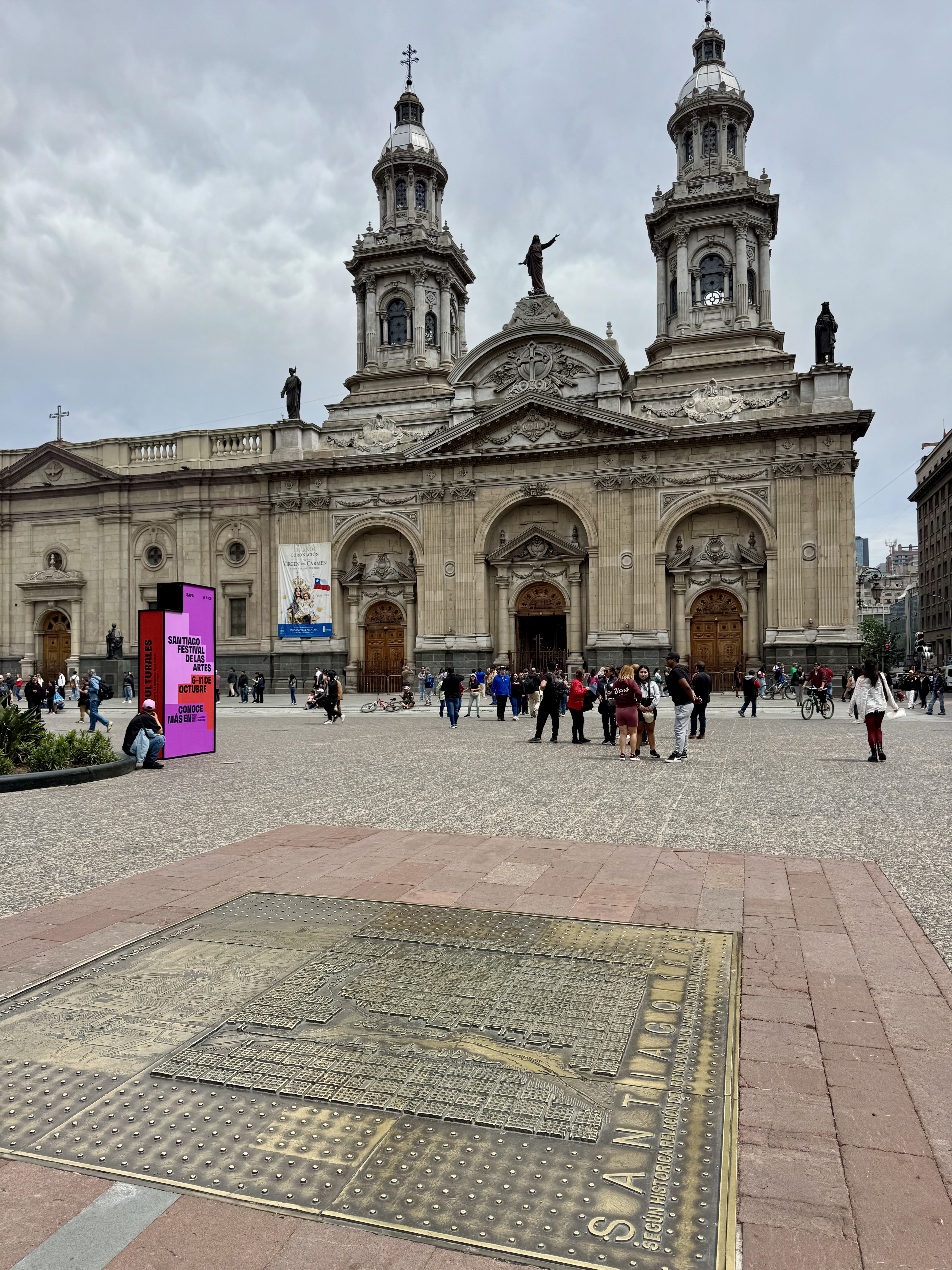
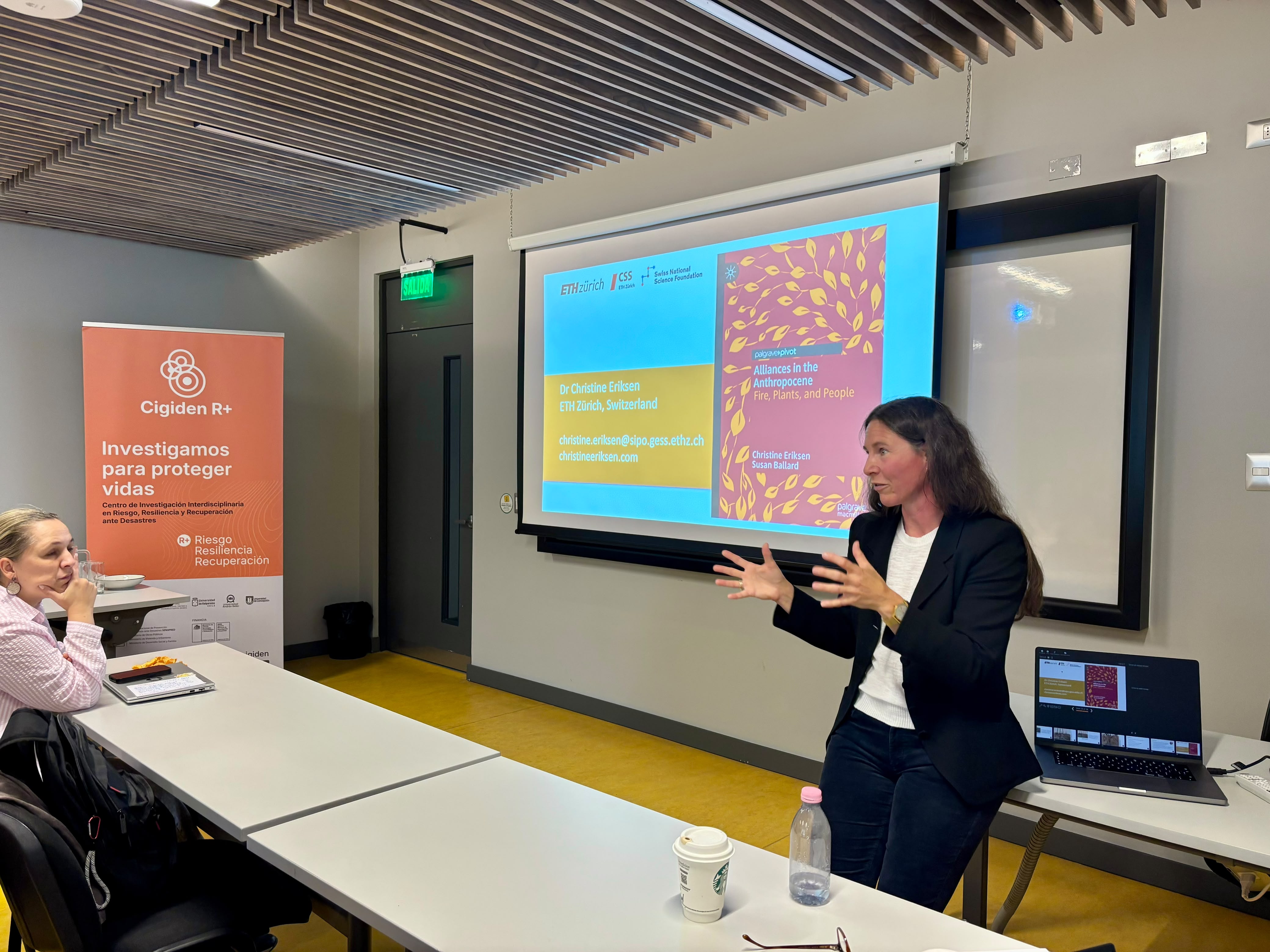
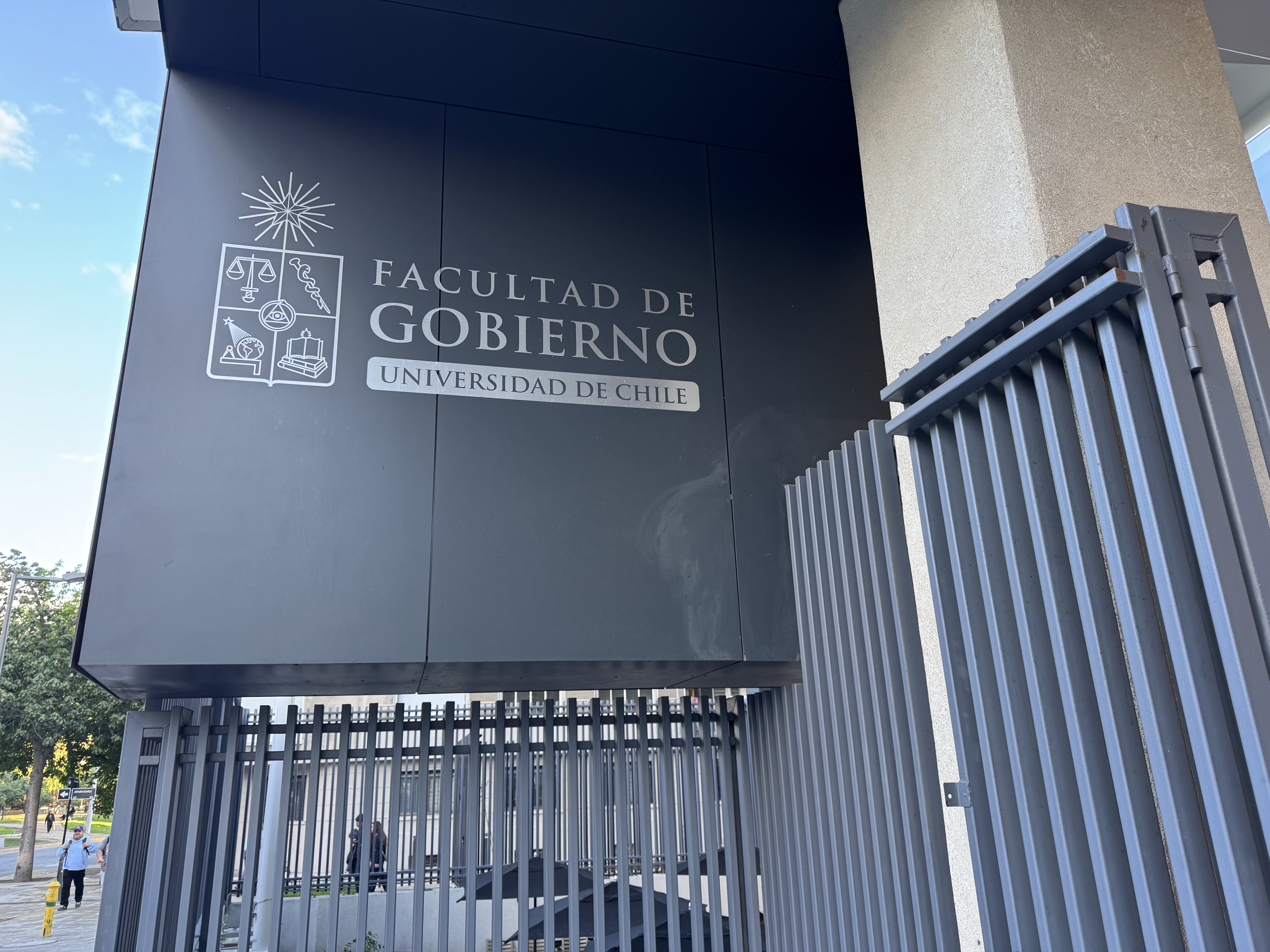
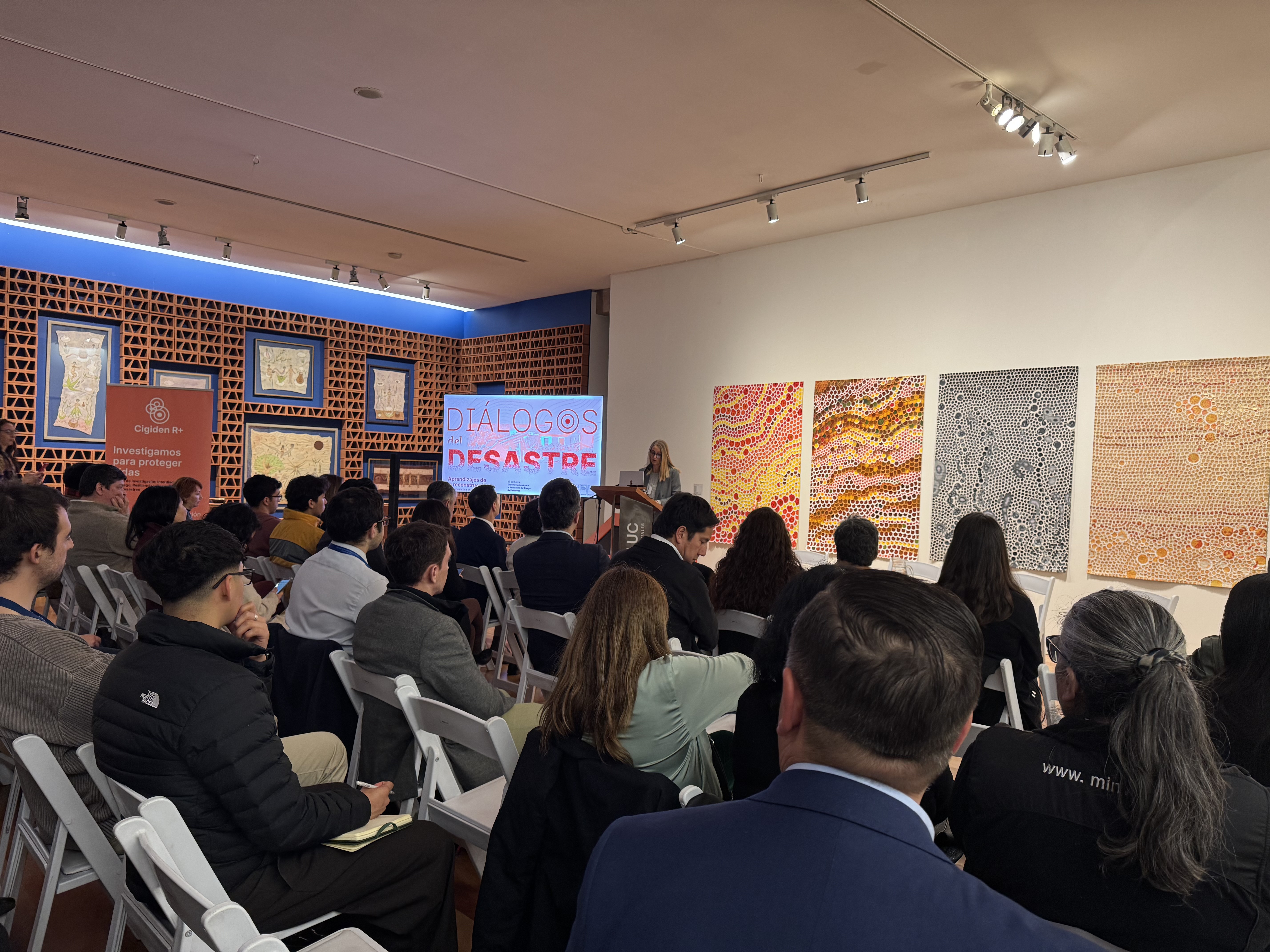
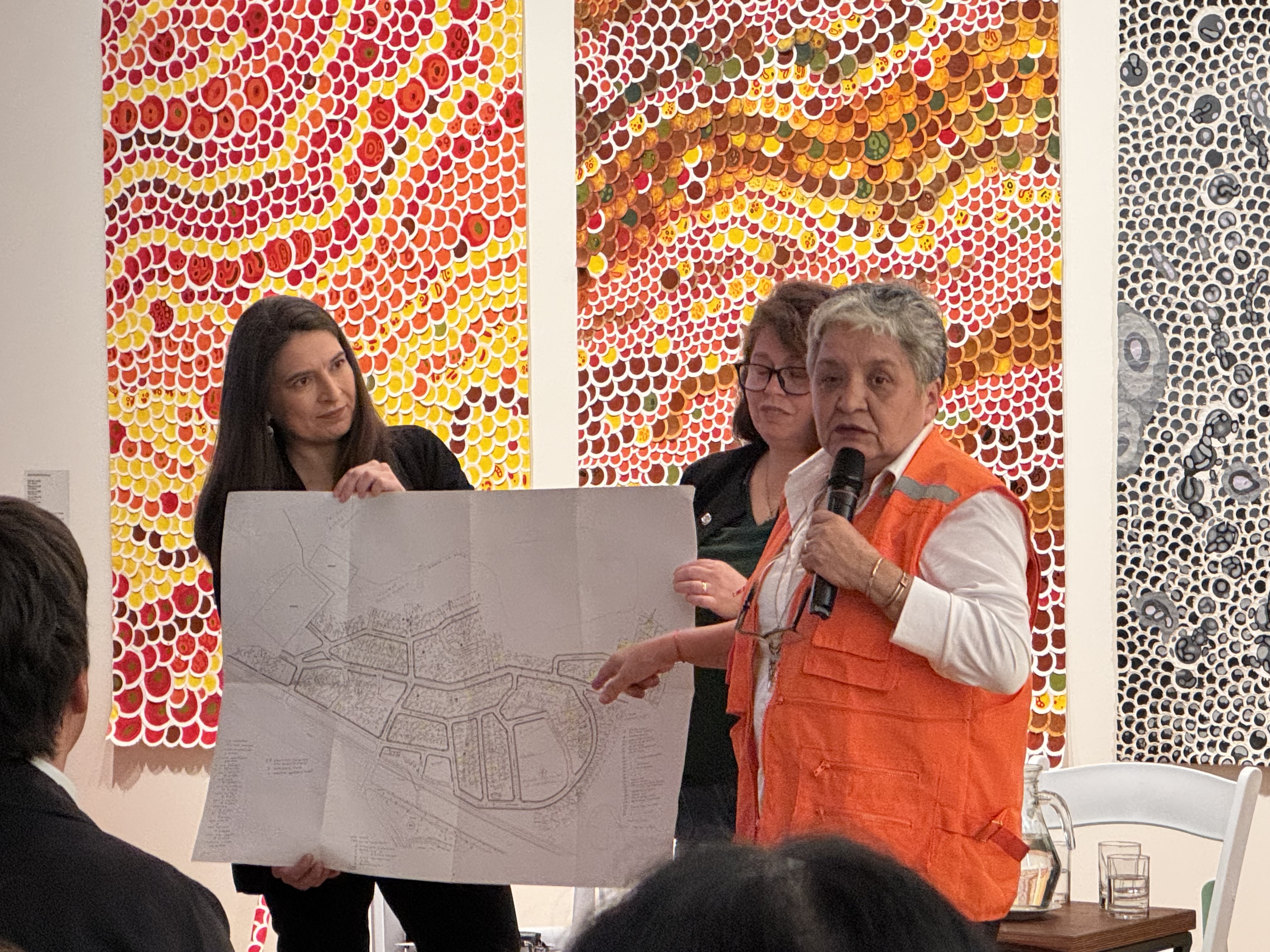
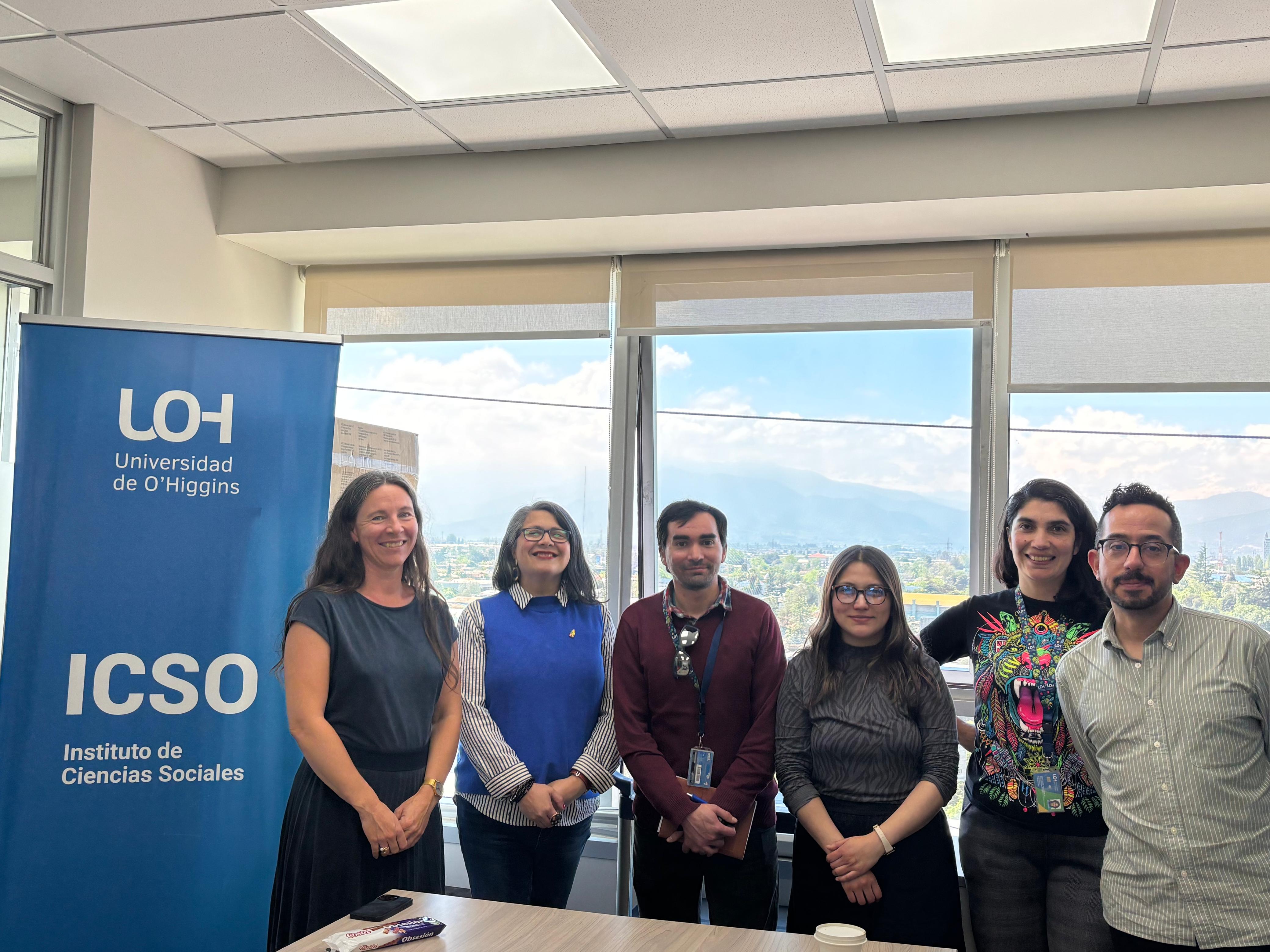
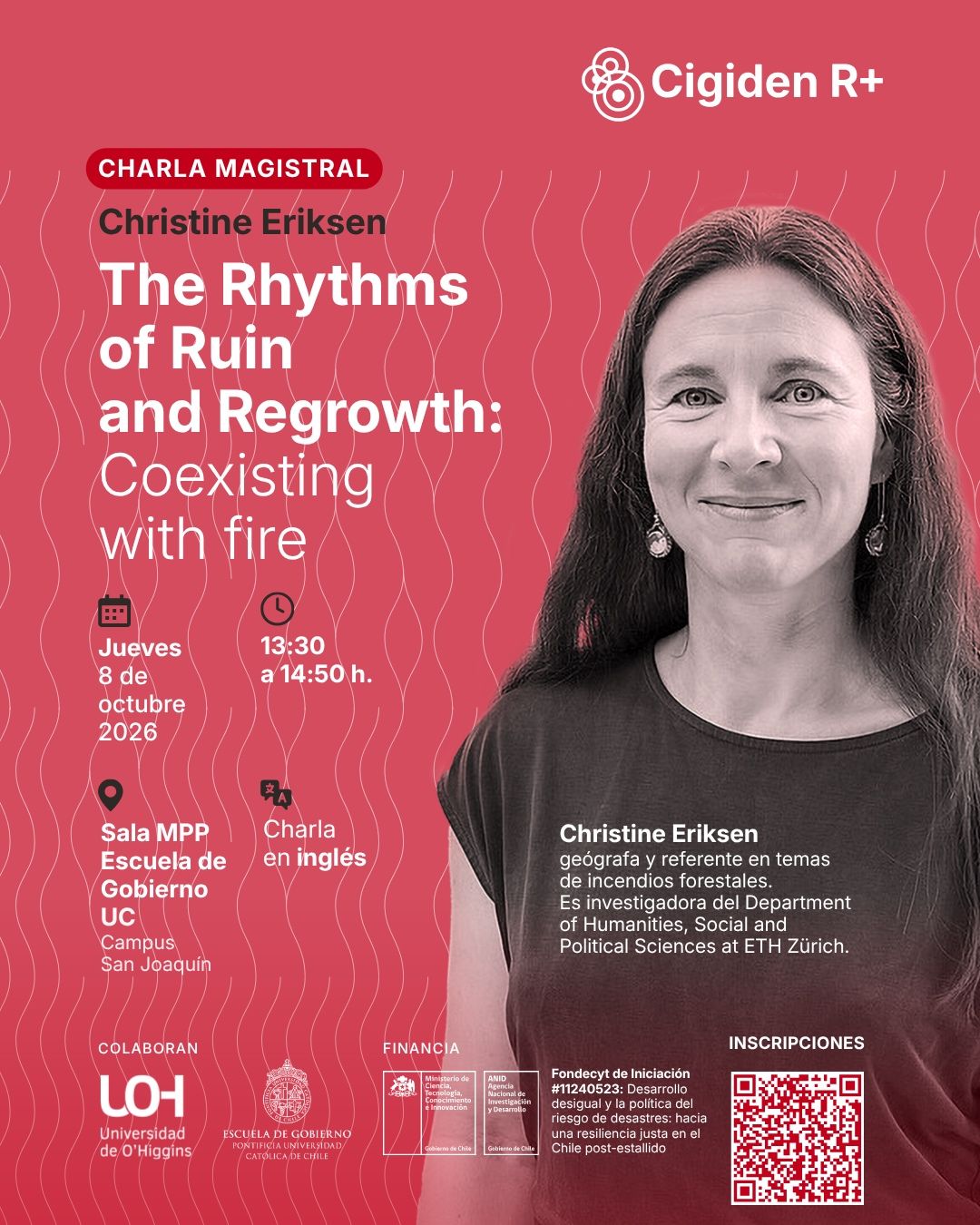
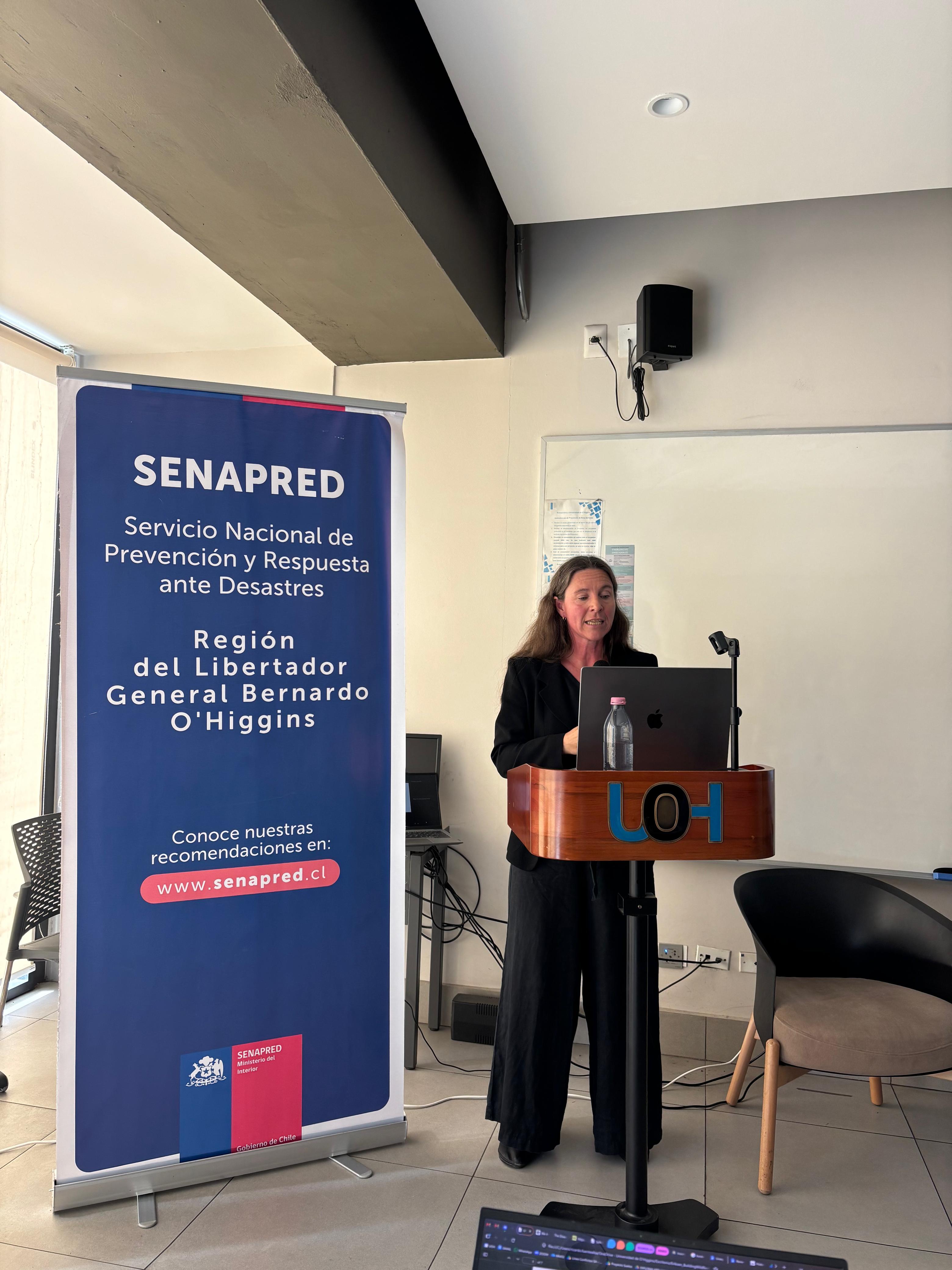
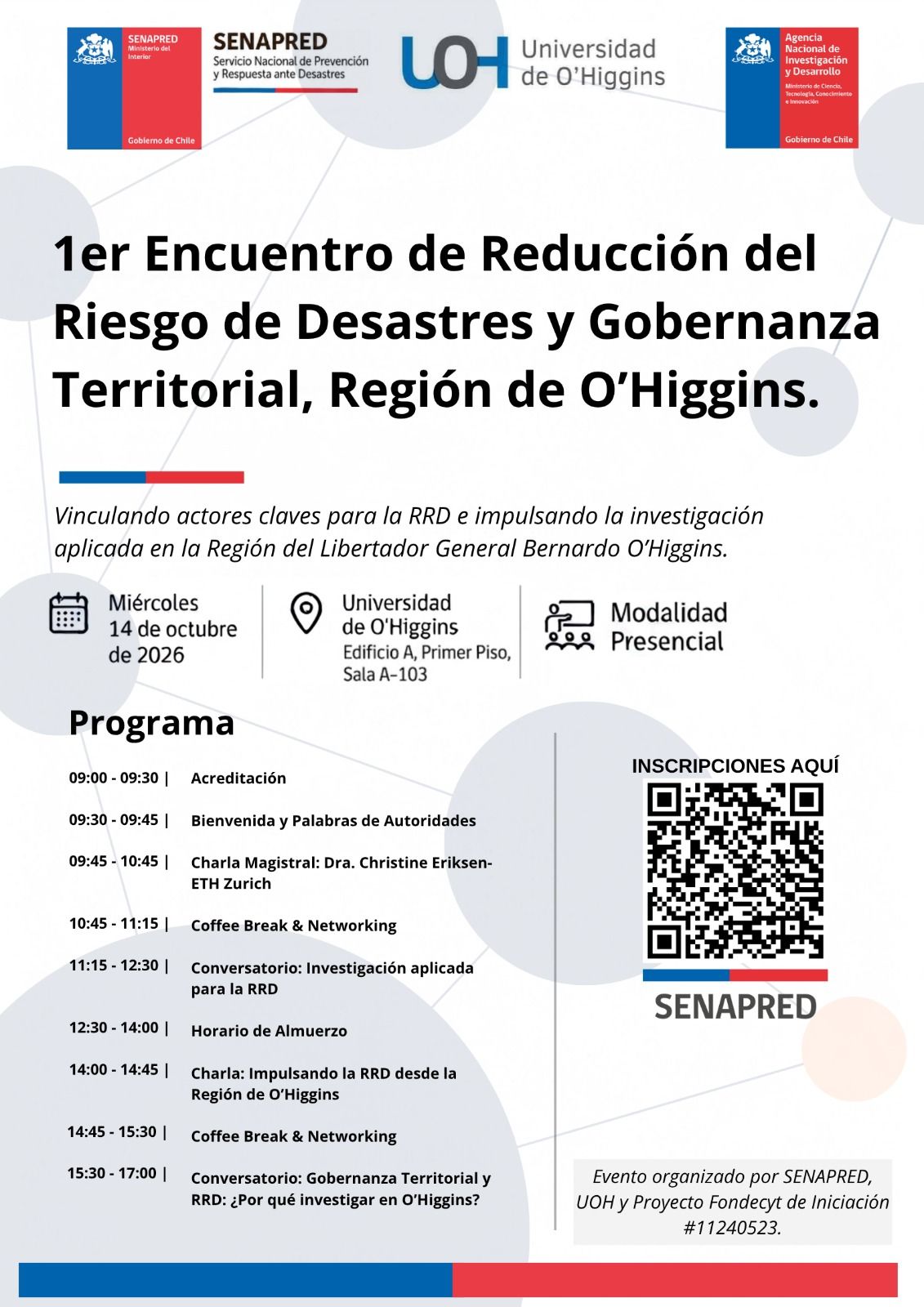
A highlight of the trip was the ability to both nurture existing collaborations with Ricardo, Prof. Paulina Vergara and Dr. Alejandra Serey Amador, and to establish new connections with scholars in the Institute of Social Sciences at the University of O’Higgins, the Government Faculty of the University of Chile, and the Center for Interdisciplinary Research on Disaster Risk, Resilience and Recovery (Cigiden R+) at the Pontifical Catholic University of Chile. For example, my insights on ruin and regrowth in Australia during a Cigiden R+ seminar, together with Marcelo Gonzalez Galvez and Magdalena Gil’s thoughts on the impact of ‘the disaster of arborization‘ and public policy on the rebuilding of Santa Olga after its near complete erasure by a wildfire in 2017, stimulated rich conversation. A Cigiden R+ event in connection with the International Day of Disaster Risk Reduction brought together community leaders (a role often filled by women in Chile), to share key strategies for enabling recovery and enhancing communities preparedness in disaster-impacted formal and informal settlements. An all-day event on disaster risk governance in the Region of O’Higgins in Rancague, co-organised by the University of O’Higgins and SENAPRED O’Higgins (the regional center of the National Disaster Prevention and Response Service), provided opportunities to share insights from my SNSF-funded project on community wildfire resilience in Europe.
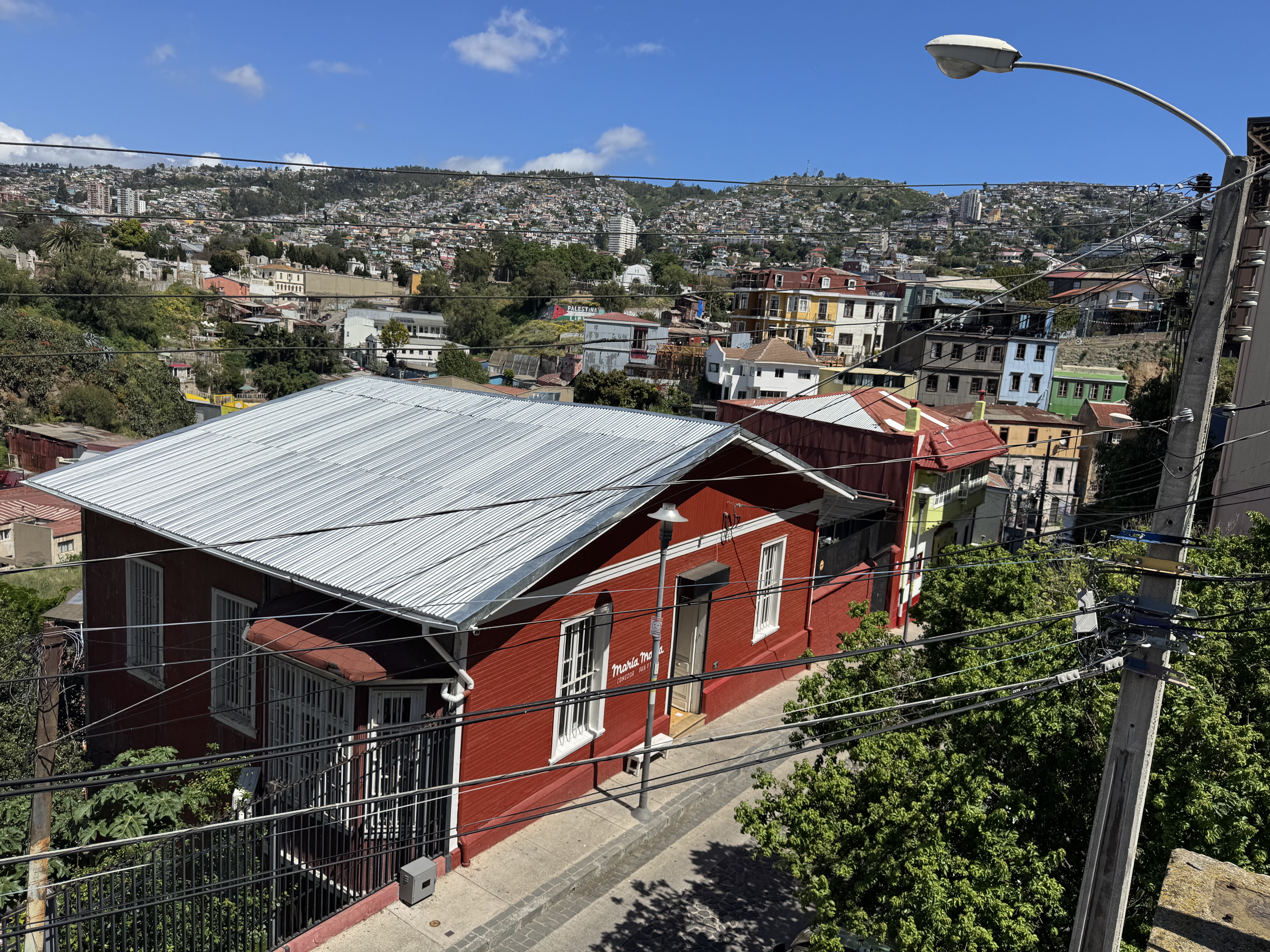
A site visit to the Greater Valparaiso Region made a big impression on me. I am grateful to Felipe Elgueta for guiding us through the informal and formal settlements that are still recovering from the catastrophic wildfires that in February 2024 killed at least 135 people, impacted >8,000 households, and burned >11,000 hectares in the wildland-urban interface of Viña del Mar, Quilpué and Villa Alemana. Felipe shared hard-earned insights he gained while conducting ethnographic fieldwork with the communities in the 9 months following the wildfires. It is going to take me a while to digest the degree of entangled social complexity, systemic inequality, risk exposure and vulnerability I observed in this region, and what this means in the broader context of my wildfire preparedness work.
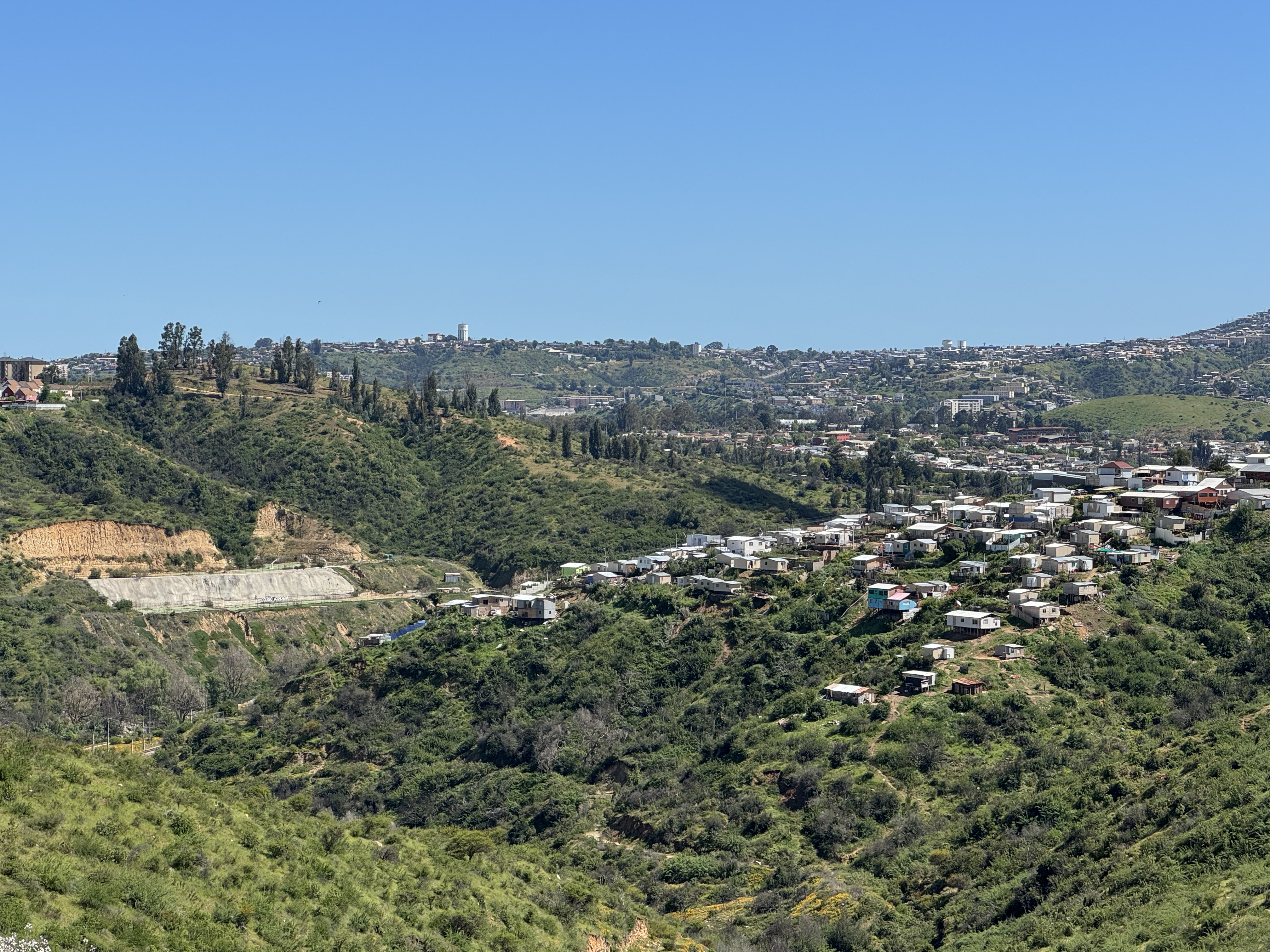
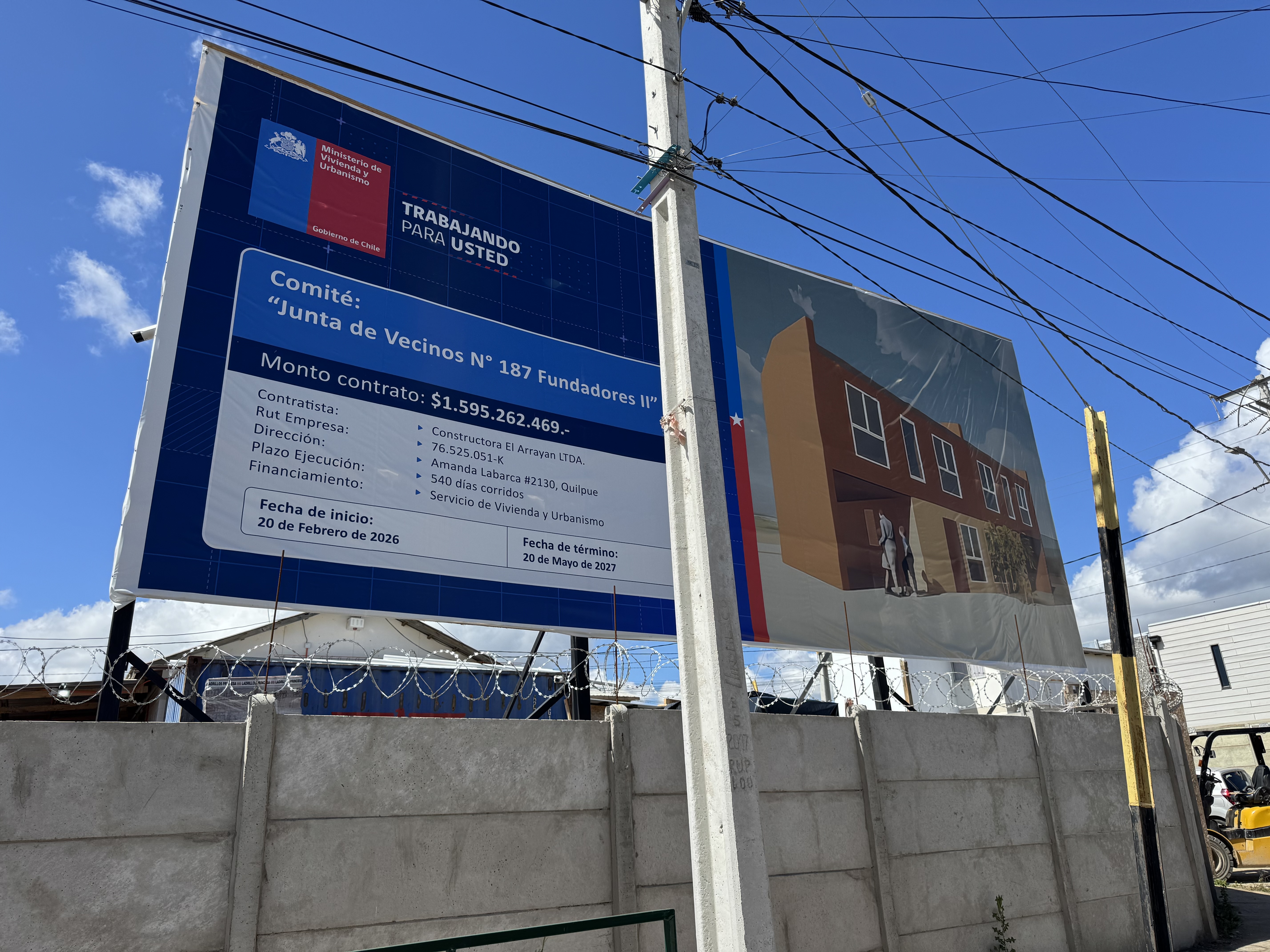
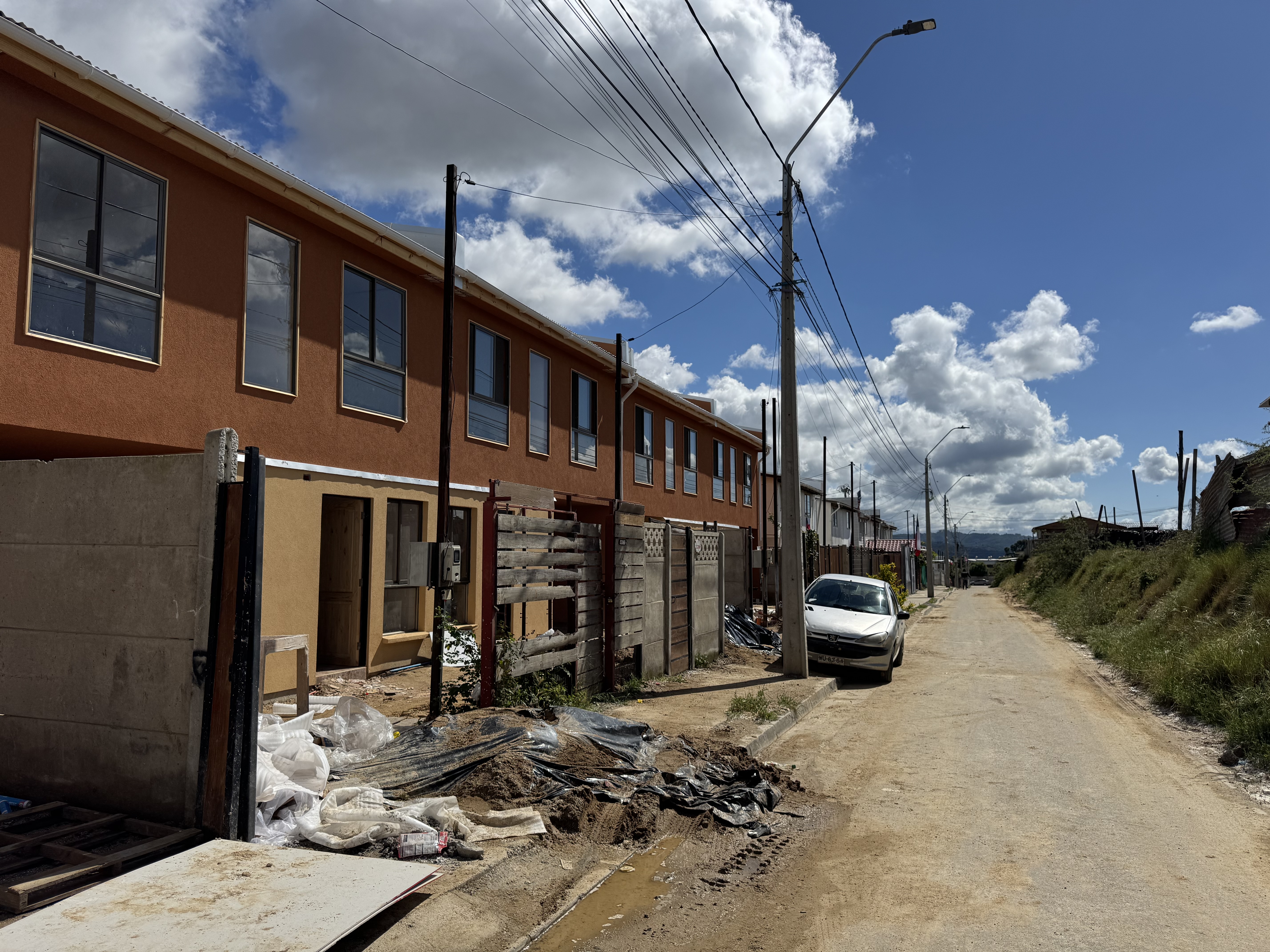
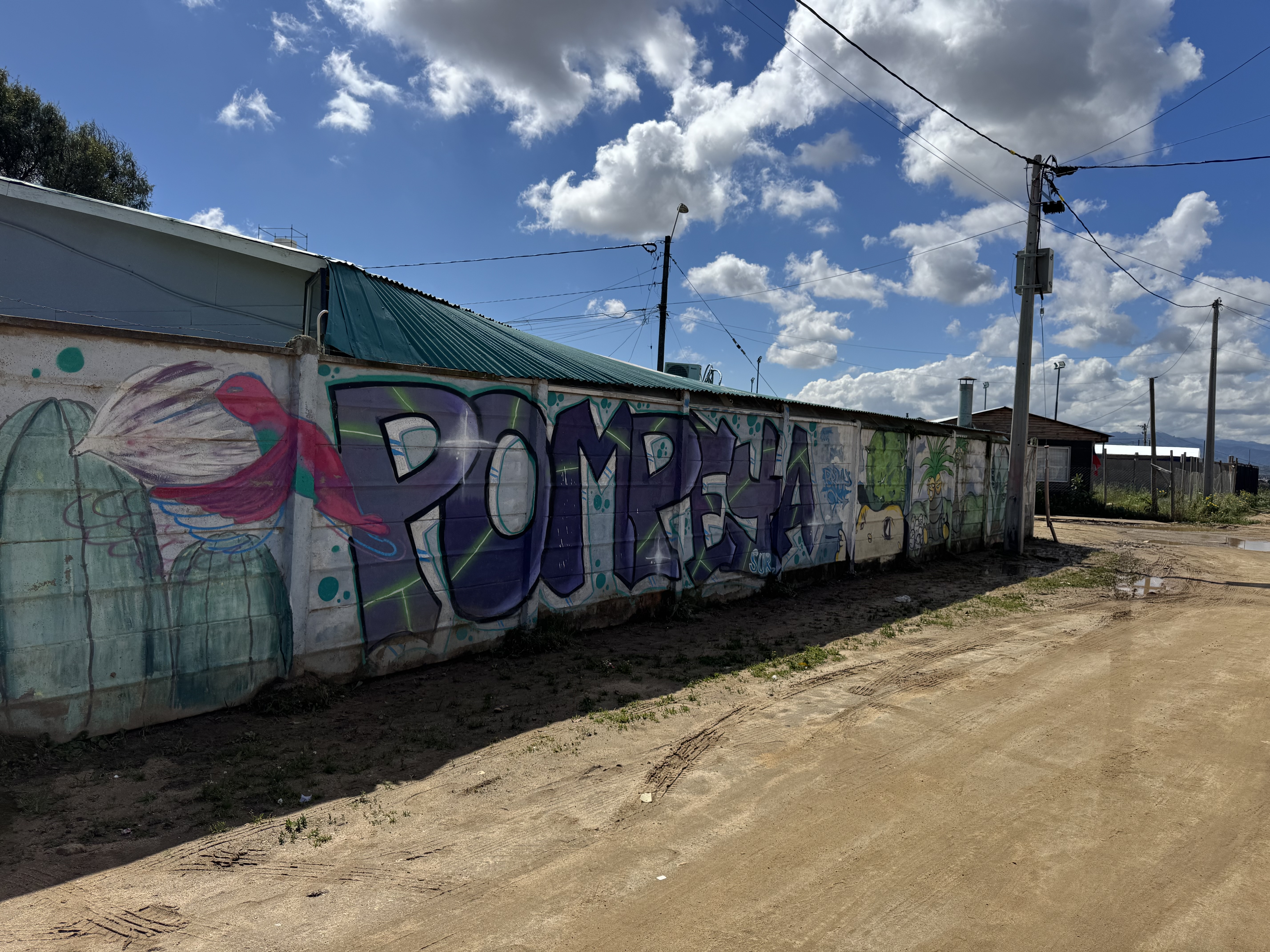
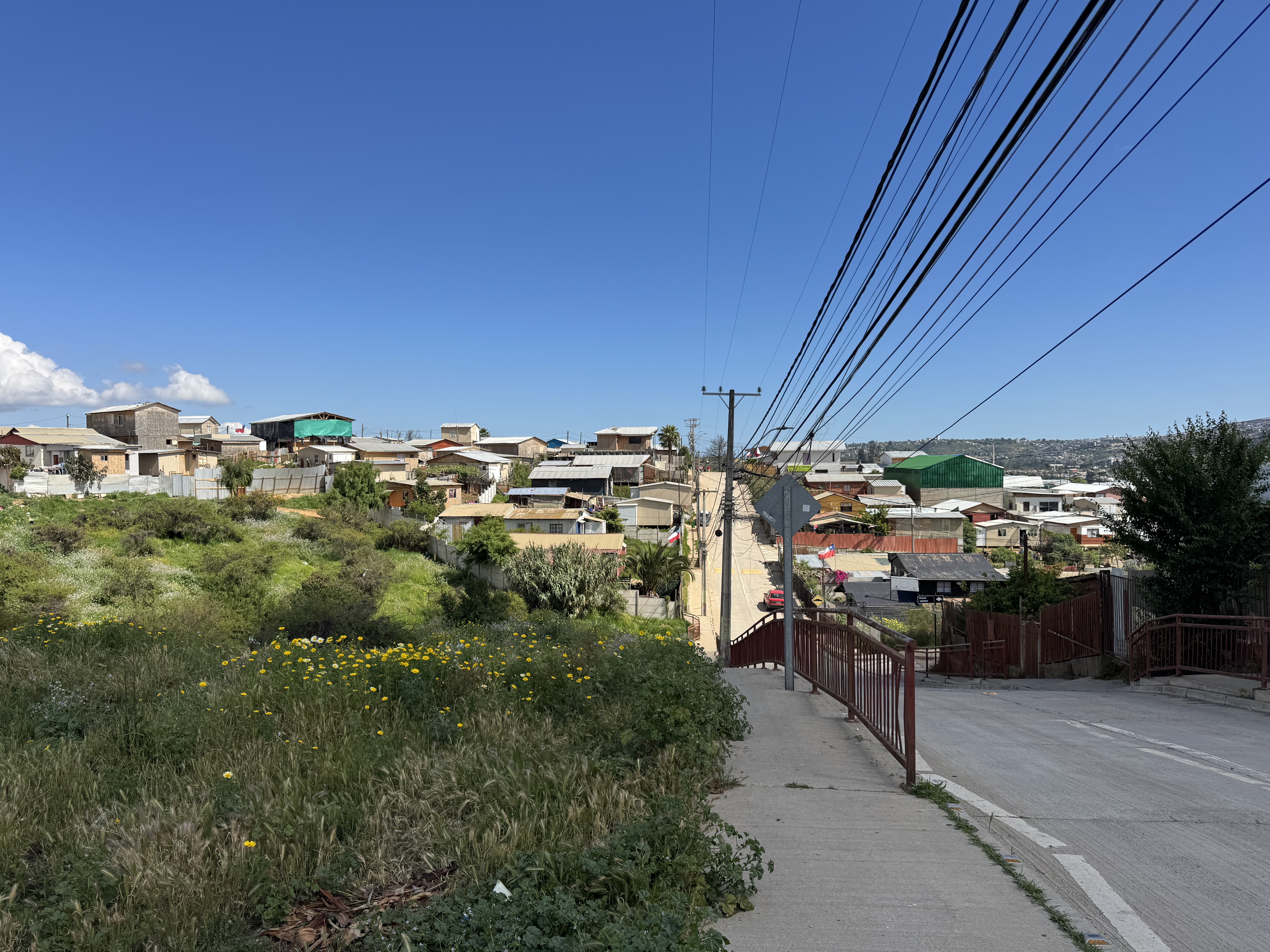
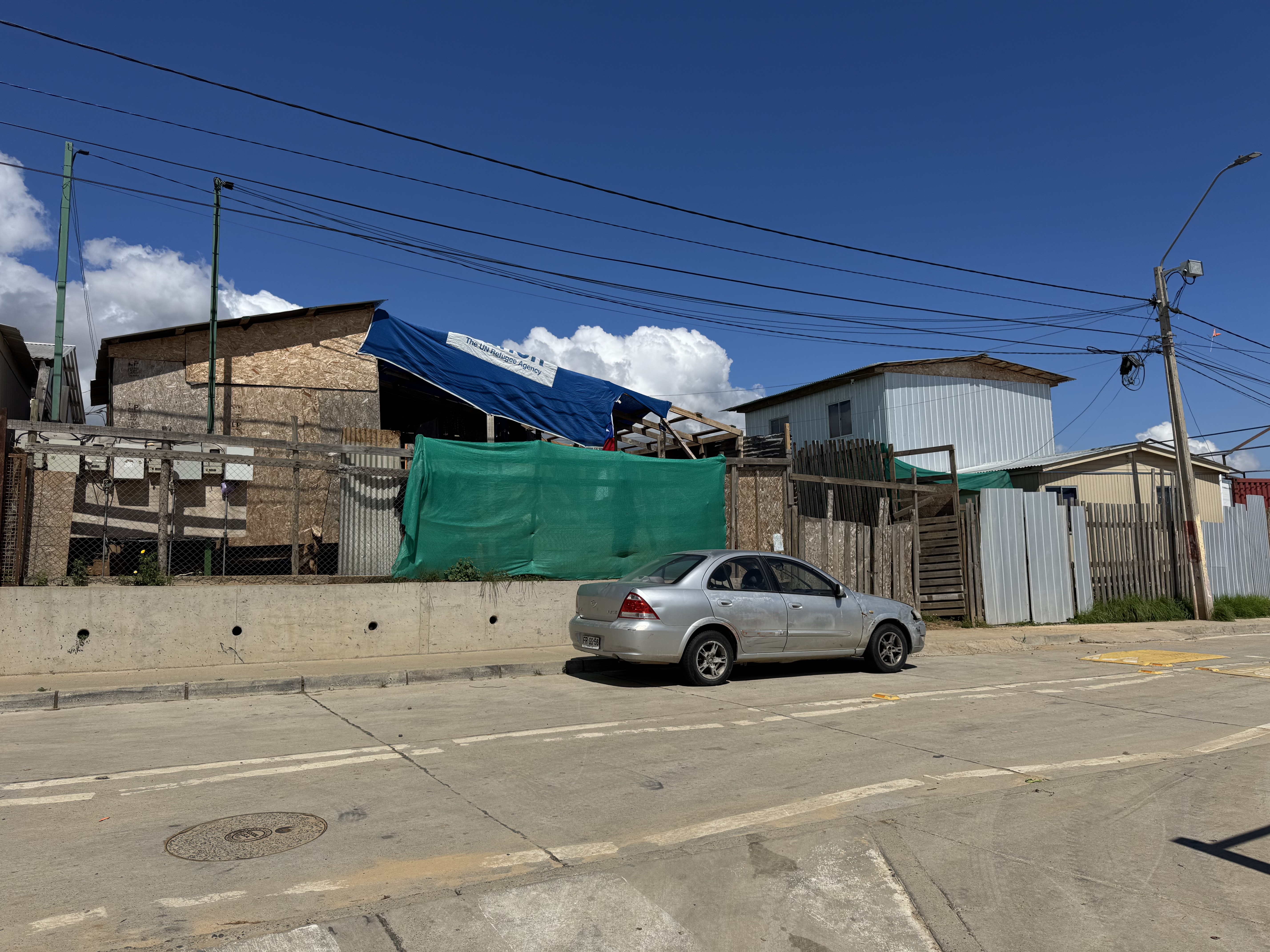
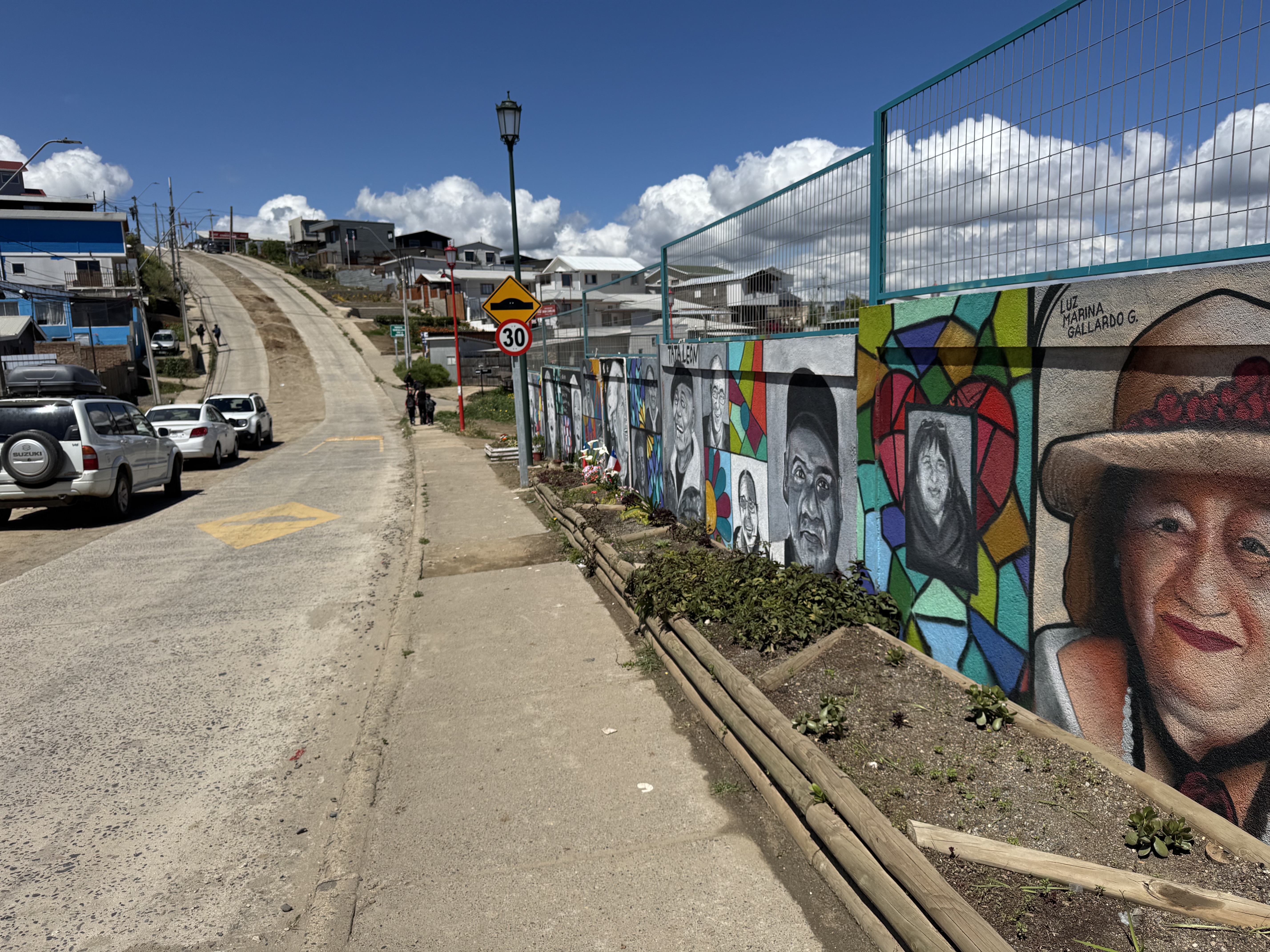
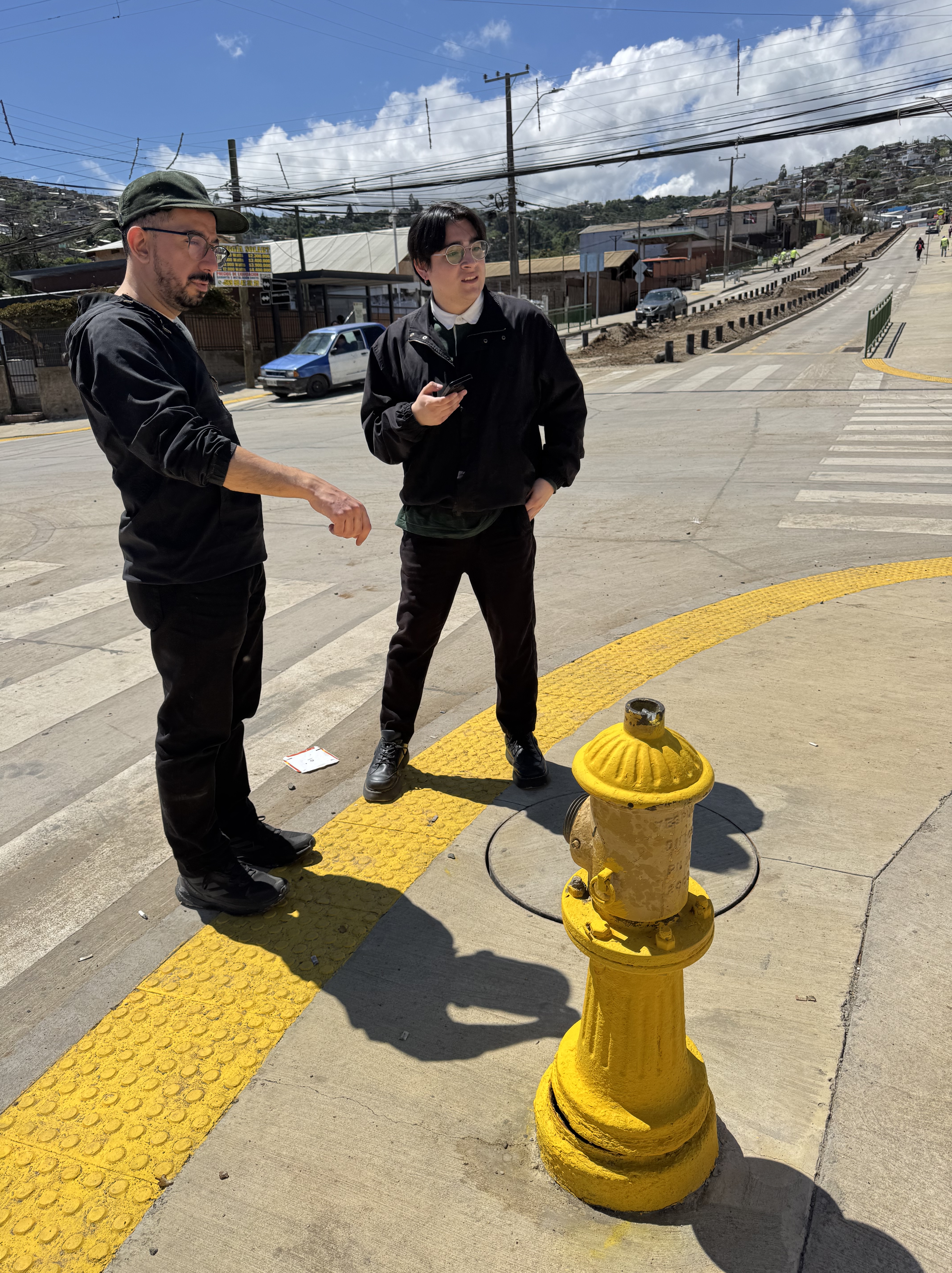
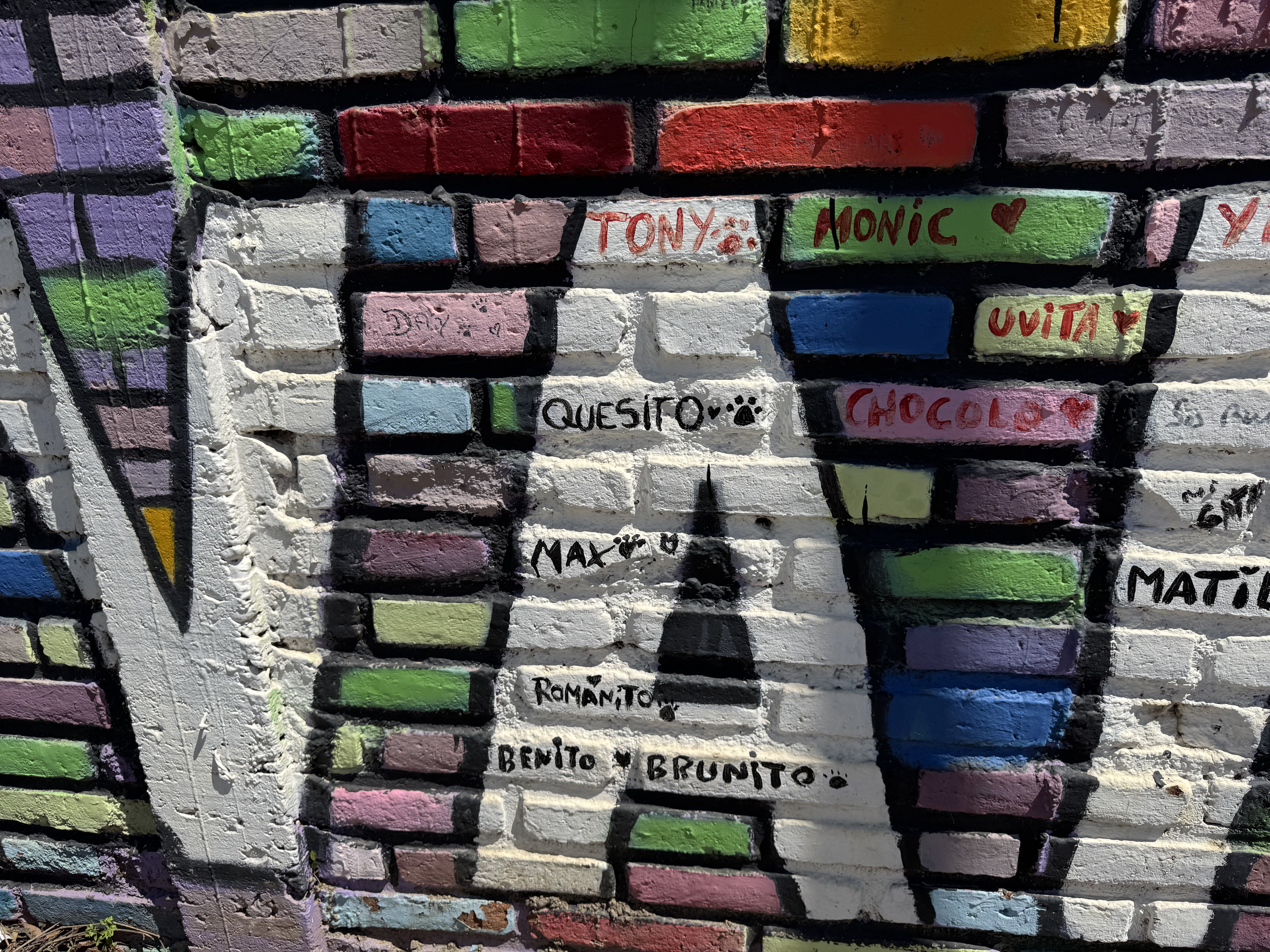
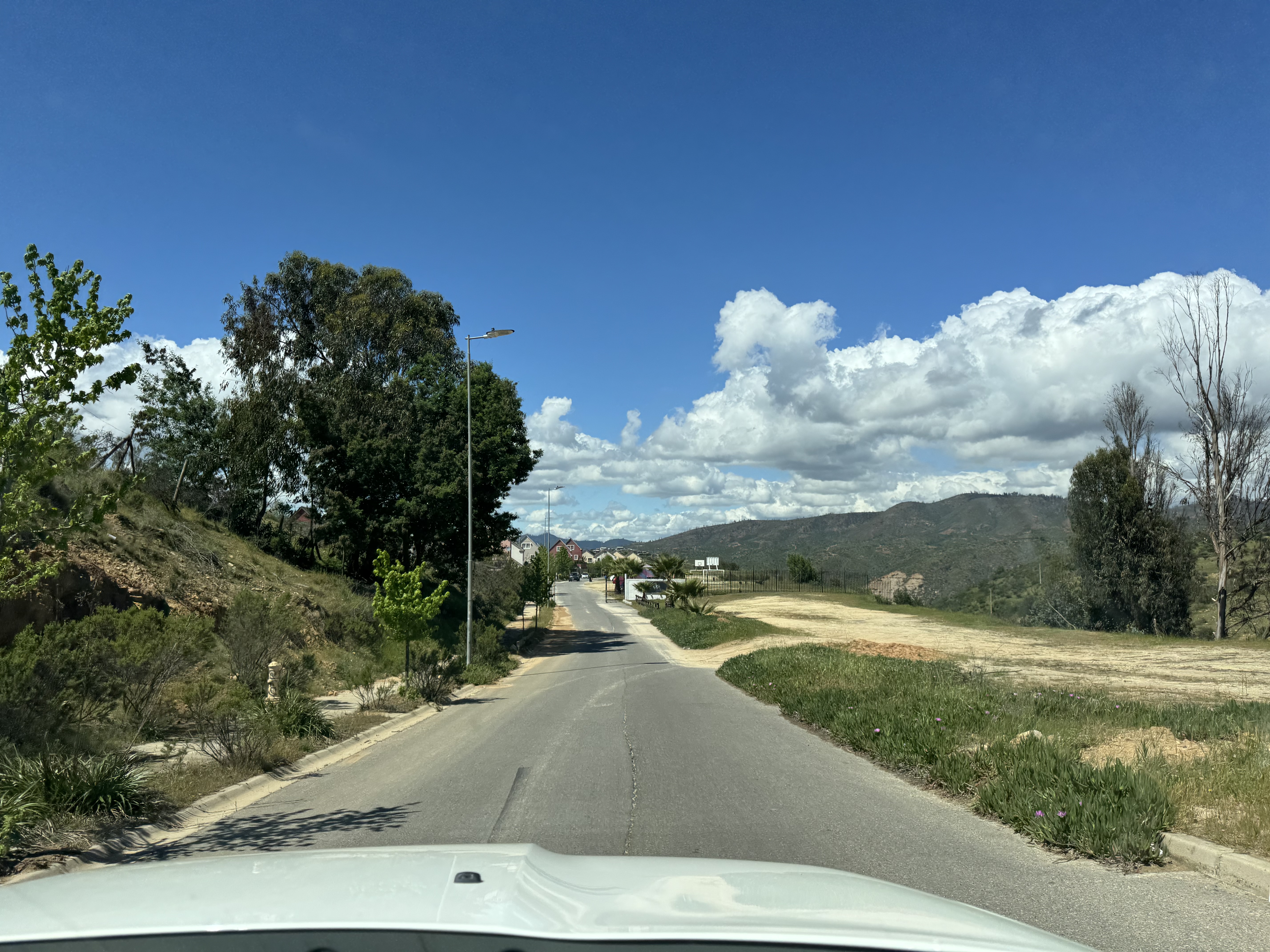
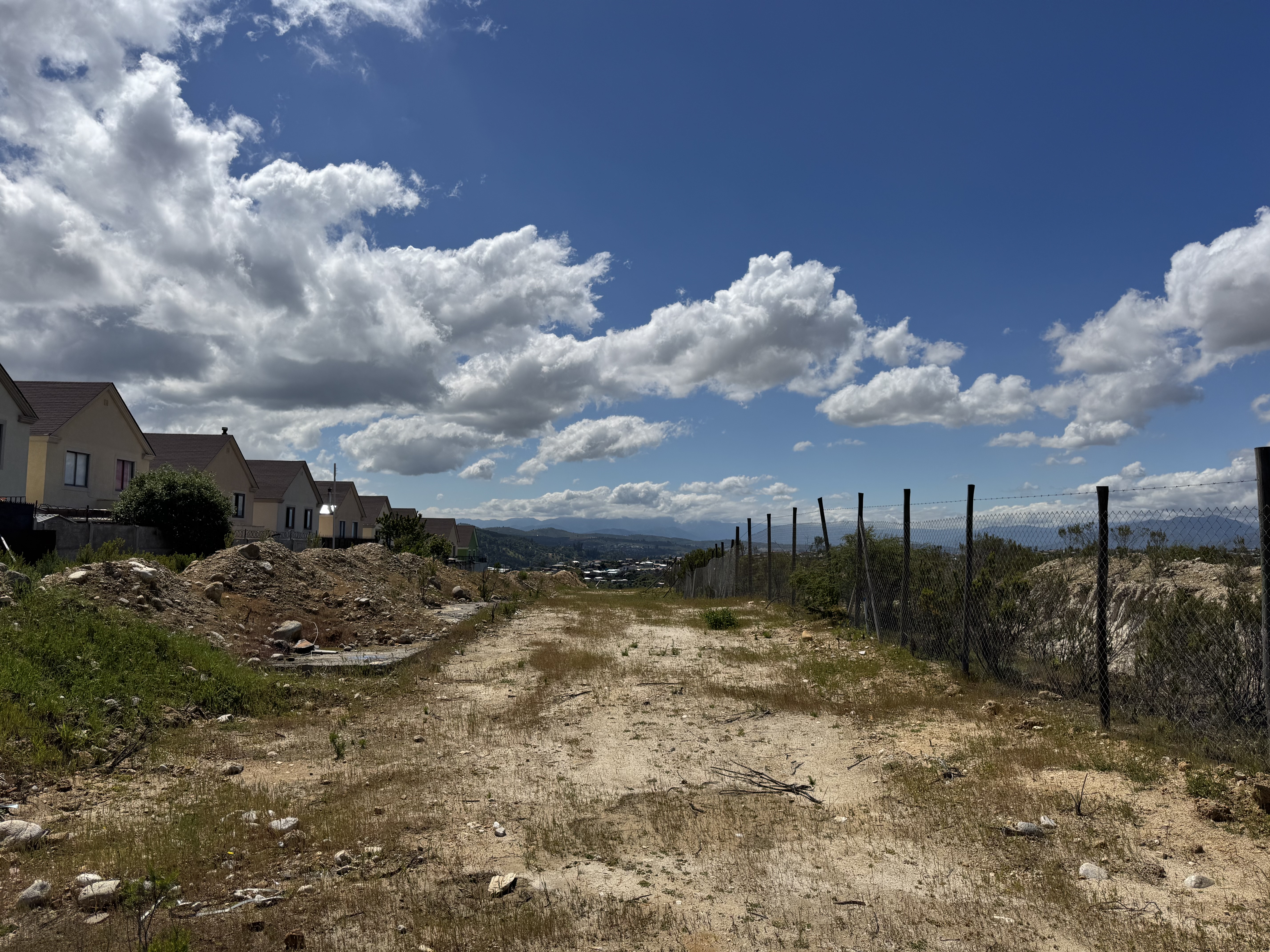
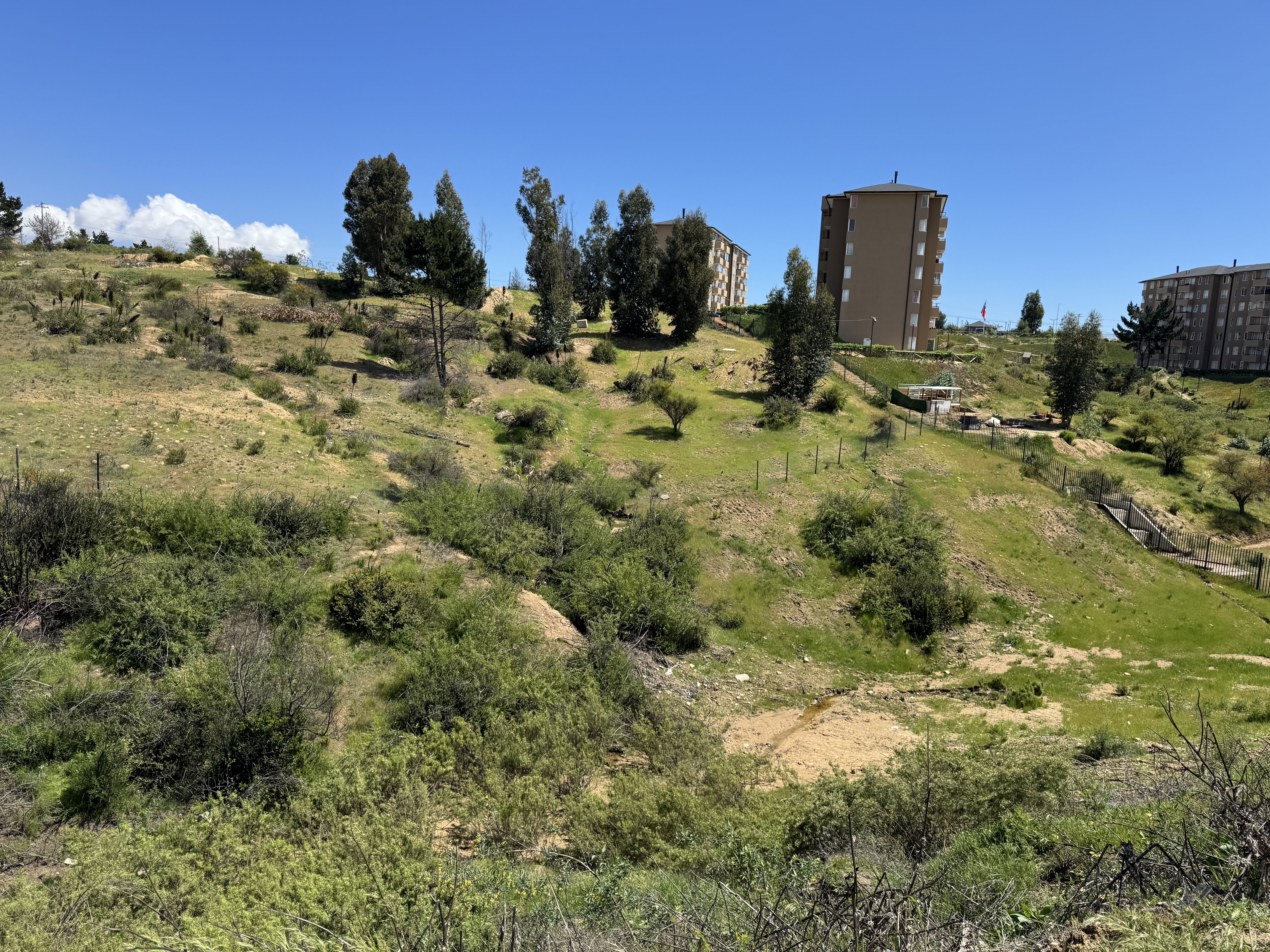

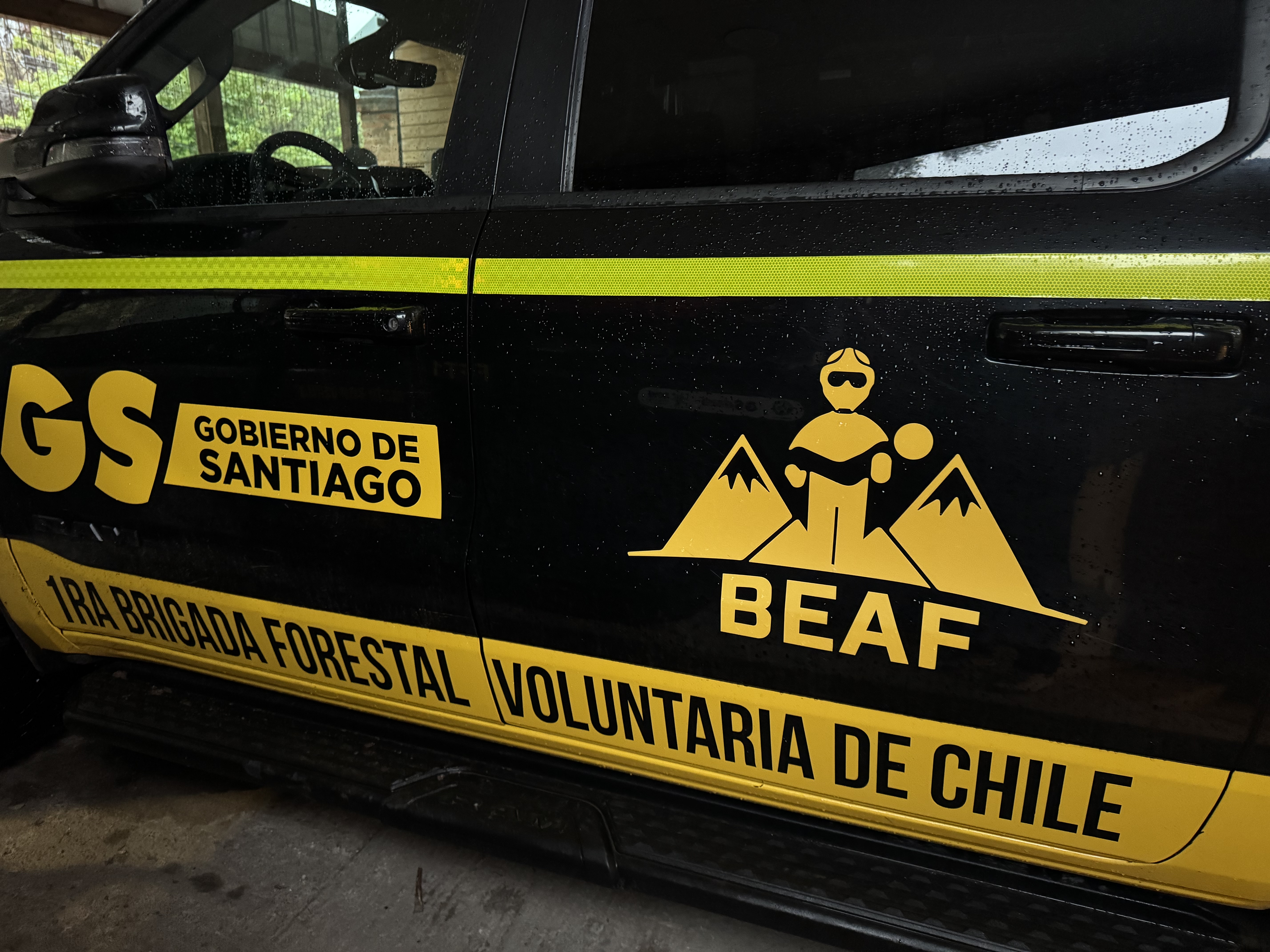
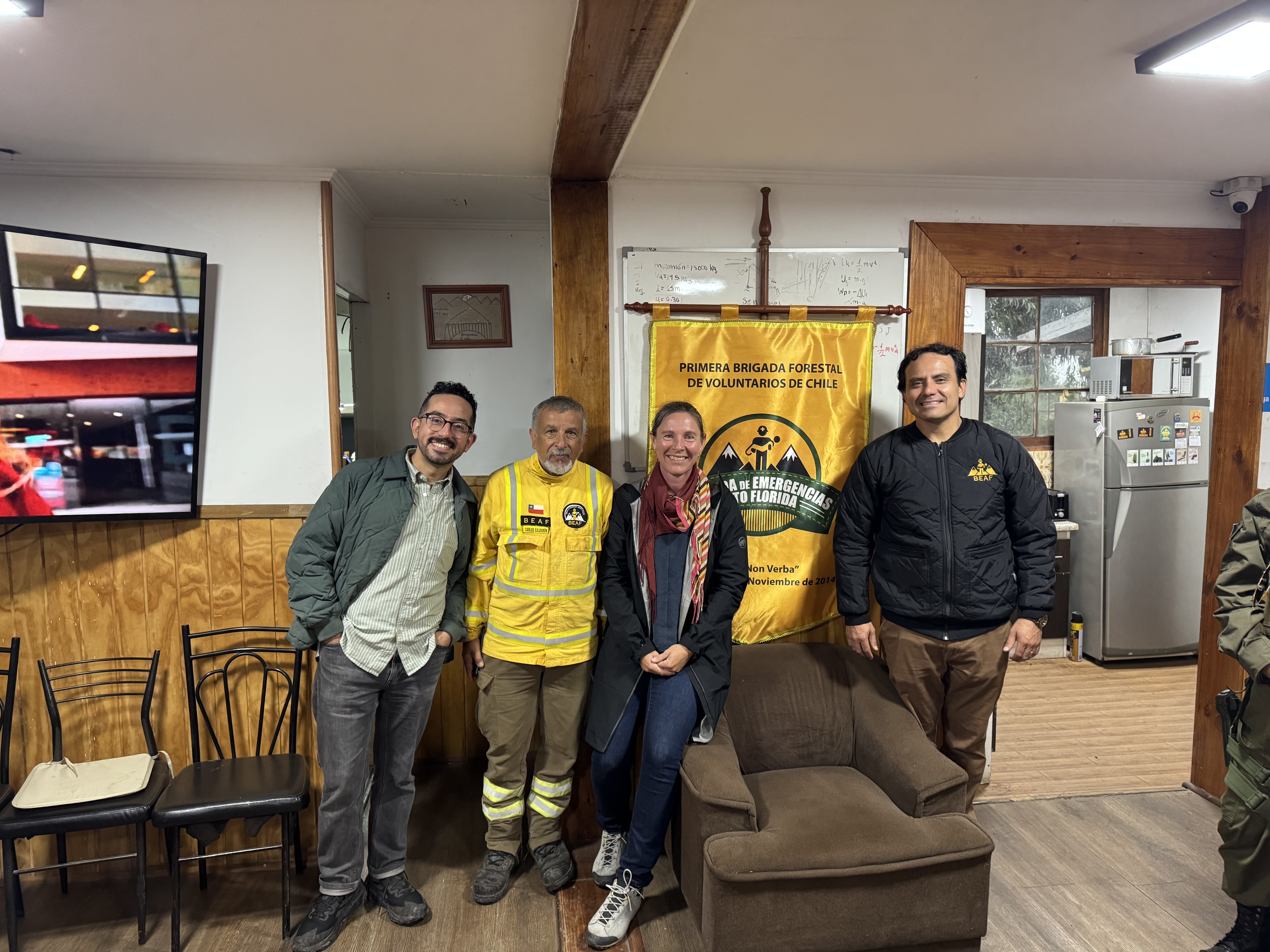
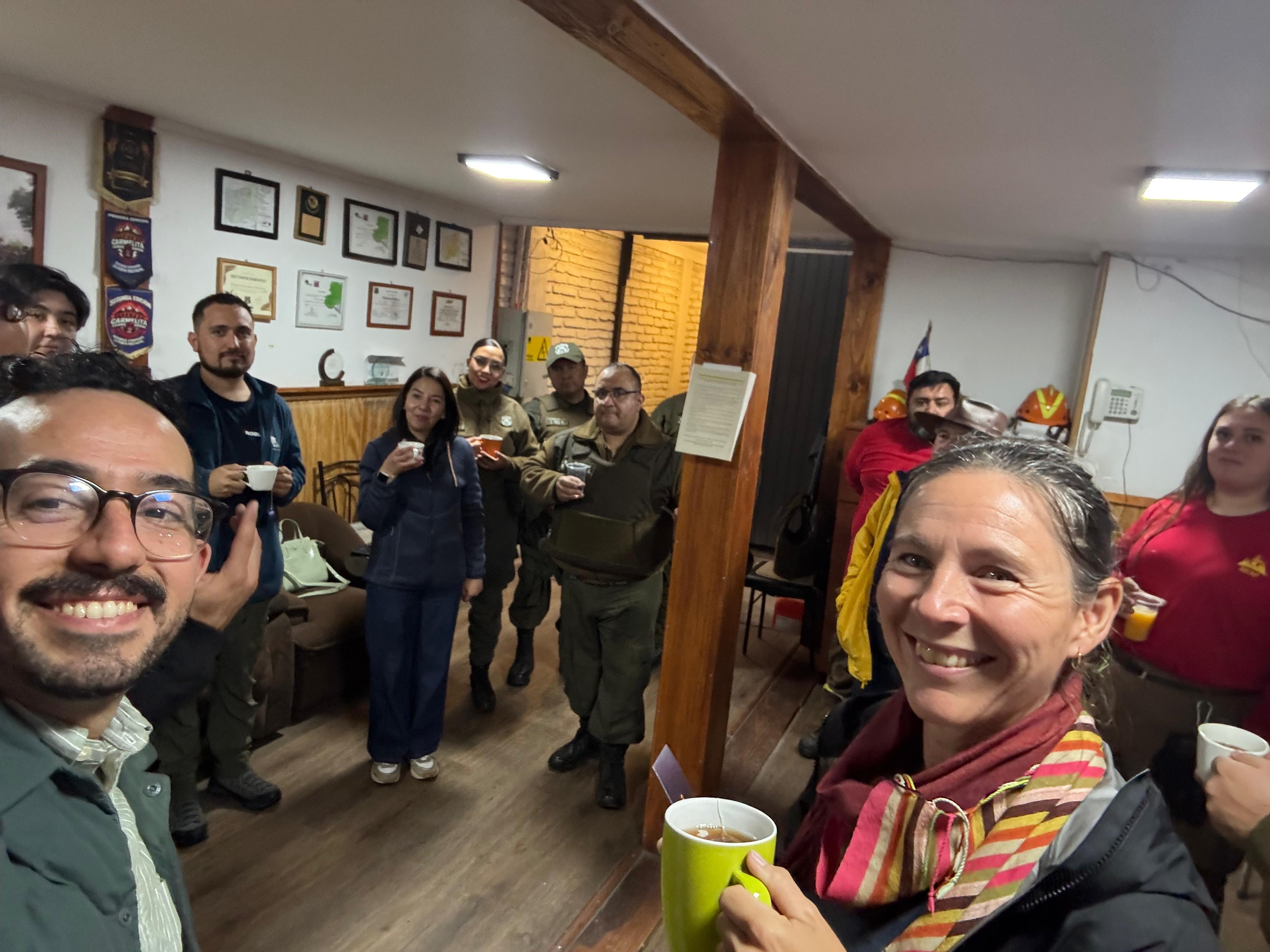
Unexpectedly, my visit coincided with unseasonably extreme rainfall, which caused a catastrophic mudslide in the foothills as well as damaging flooding in the center of Santiago de Chile. Rain and hail also coincided with an interesting visit with Chile’s first volunteer forest fire brigade – Brigada Emergencies La Florida (BEAF). Operating in the precordillera hills of La Florida (a commune in Santiago), this volunteer unit is dedicated to the prevention, initial response, and community support for wildfires and wilderness emergencies. After getting thoroughly wet in a failed attempt to get to their community-funded watchtower, we armed ourselves with hot tea for a rich conversation with representatives from BEAF, the National Forest Corporation (CONAF) and the Carabineros (uniformed police) about community engagement, fuel management, and comparative insights from volunteer rural fire brigades in Australia.
A heartfelt thank you to Ricardo for been a host extraordinaire! I gained so much from my time in Chile. And, as always, I am grateful to the Swiss National Science Foundation (SNSF) for the Consolidator Grant (TMCG-1_213621) that enables me to advance wildfire social science through collaborations, mentoring, research, and public speaking in wildfire impacted regions internationally.